Chess Dictionary
Explanations of all chess terms
Total terms: 224
A
Accelerated Swiss
Accelerated Swiss
A pairing variation designed to separate the top players more quickly in the early rounds.

A
Active King
Active King
In the endgame, the king becomes active by moving toward the center to control pawns and key squares.

A
Analysis
Analysis
The process of evaluating the options, variations, and outcomes in a position.

A
Arbiter
Arbiter
The official who enforces the rules in chess tournaments.

A
Arbiter
Arbiter
The official responsible for enforcing the rules in official chess competitions.

A
Arena Tournament
Arena Tournament
A tournament format in which players are continuously paired with new opponents for a set period instead of fixed rounds.

A
Armageddon
Armageddon
A special tie-break game in which Black is declared the winner in case of a draw, ensuring the tie is decisively broken.

A
Average Centipawn Loss
Average Centipawn Loss
An analysis metric that measures the average quality gap between played moves and the best choice.
B
Back-Rank Mate
Back-Rank Mate
A mating pattern in which the king is trapped on the back rank by its own pawns.

B
Backward Pawn
Backward Pawn
A structural weakness: a pawn that cannot be supported by neighboring pawns and cannot advance easily.

B
Backward Pawn
Backward Pawn
A pawn weakness that is hard to advance and often becomes a target on an open or semi-open file.

B
Bad Bishop
Bad Bishop
A bishop whose own pawn structure limits its mobility and reduces its effectiveness.

B
Bad Knight
Bad Knight
A knight that struggles to find effective squares and remains passive due to the pawn structure, often becoming a positional liability.

B
Battery
Battery
A combined attacking formation of pieces lined up one behind the other on the same rank, file, or diagonal, exerting common pressure.

B
Berger Table
Berger Table
A standard table used in round-robin tournaments to determine the pairing order.

B
Best Move
Best Move
The main option that yields the highest evaluation in a given position.

B
Bishop
Bishop
A minor piece that moves along diagonals.

B
Bishop Endgame
Bishop Endgame
An endgame class where bishop color and pawn structure determine the result.

B
Bishop Pair
Bishop Pair
Having both bishops gives a long-term advantage, especially in open positions.

B
Blindfold Chess
Blindfold Chess
Chess played without looking at the board, relying entirely on memory.

B
Blindfold Chess
Blindfold Chess
A form of chess in which the player visualizes the moves mentally without seeing the board.
B
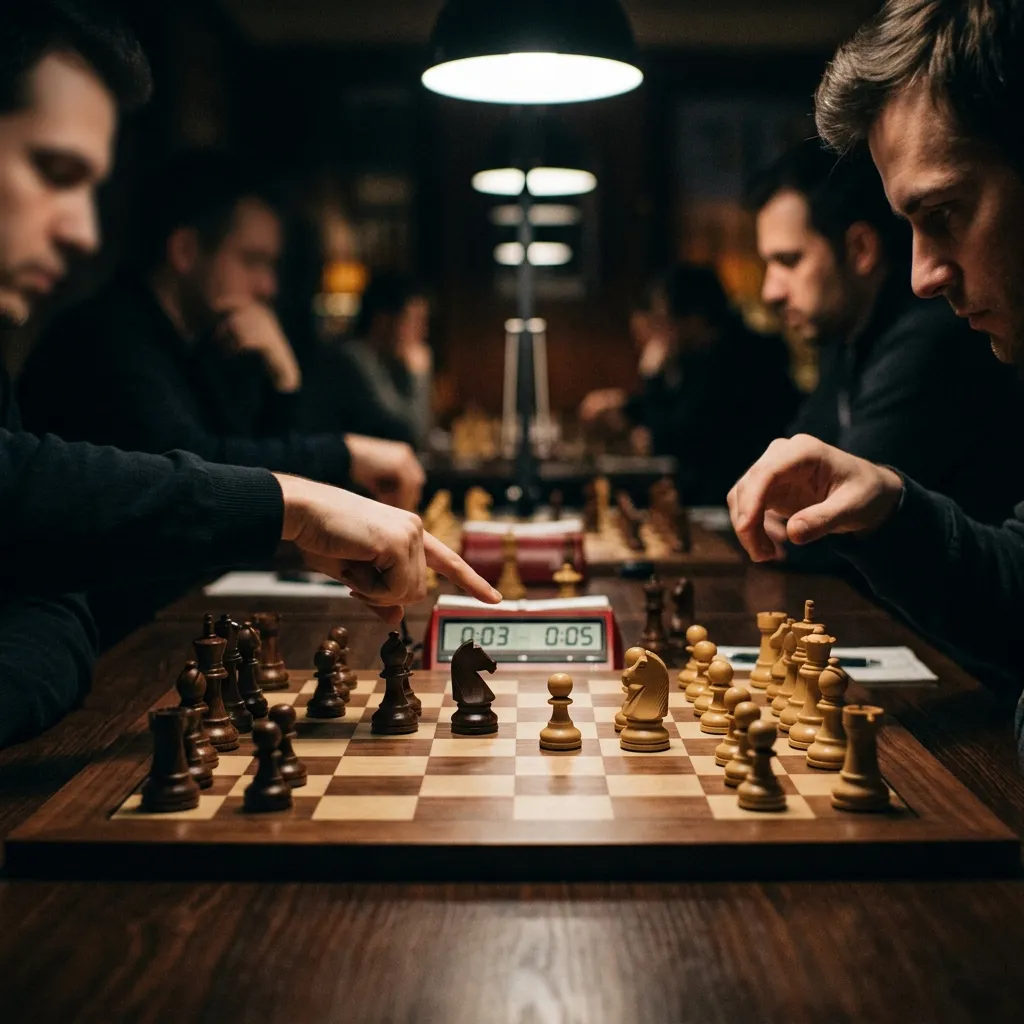
Blitz Chess
Blitz Chess
A fast chess format played with very short thinking time.
B
Blunder
Blunder
A critical mistake in a single move leading to a significant loss of material or a checkmate threat.
B
Board Vision
Board Vision
The ability to quickly and accurately see piece relationships, threats, and weaknesses on the board.
B
Bridge Building
Bridge Building
A rook endgame technique for supporting a passed pawn by shielding the king from lateral checks.
B
Buchholz
Buchholz
A common tie-break method in Swiss-system tournaments, calculated from the total scores of a player's opponents.
B
Bye
Bye
A player's right to skip a round in a tournament.

C
Calculation Tree
Calculation Tree
A calculation structure that branches from different candidate moves in a position.
C
Candidate Move
Candidate Move
A move option in a position that is considered serious enough to calculate in detail.
C
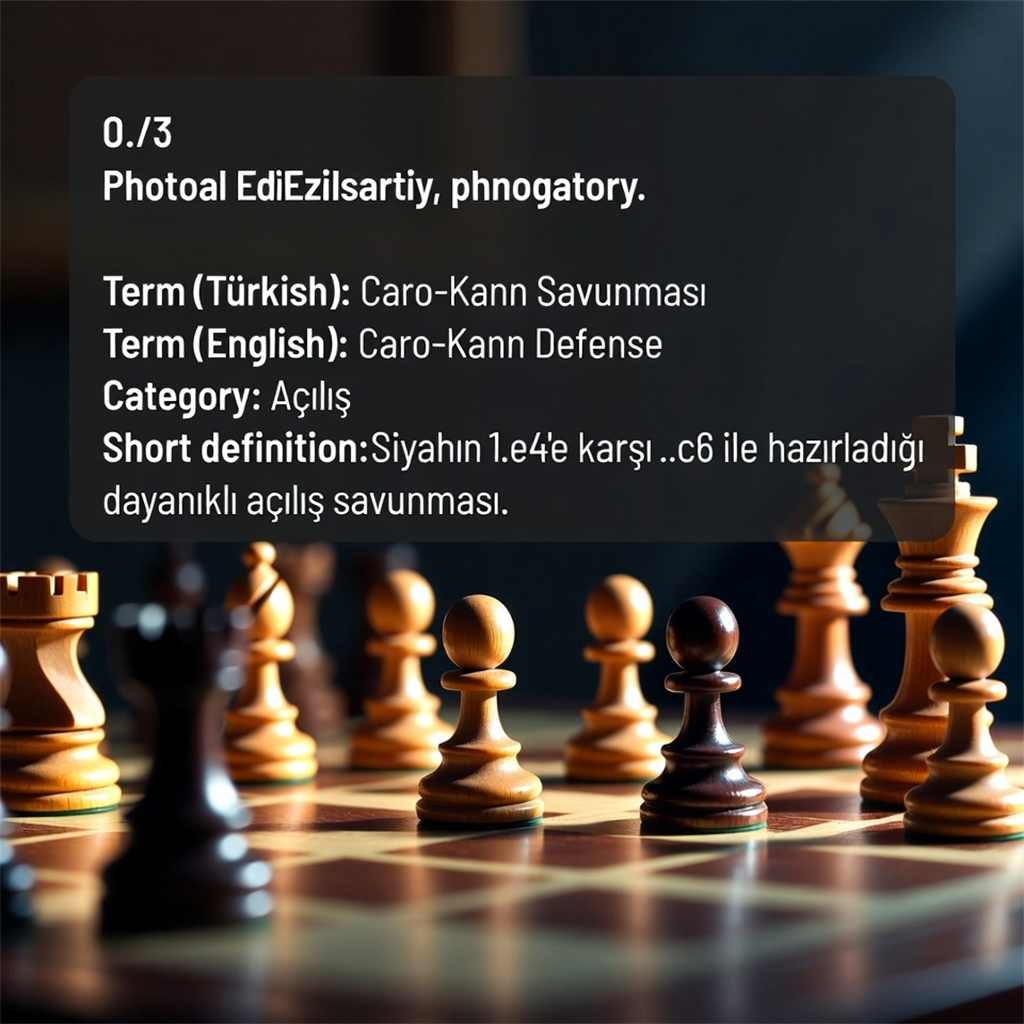
Candidates Tournament
Candidates Tournament
The most important qualifying tournament for determining the player who will challenge the world champion.
C
Caro-Kann Defense
Caro-Kann Defense
A resilient defense against 1.e4 in which Black prepares with ...c6. It is known for a solid pawn structure and sound piece development.

C
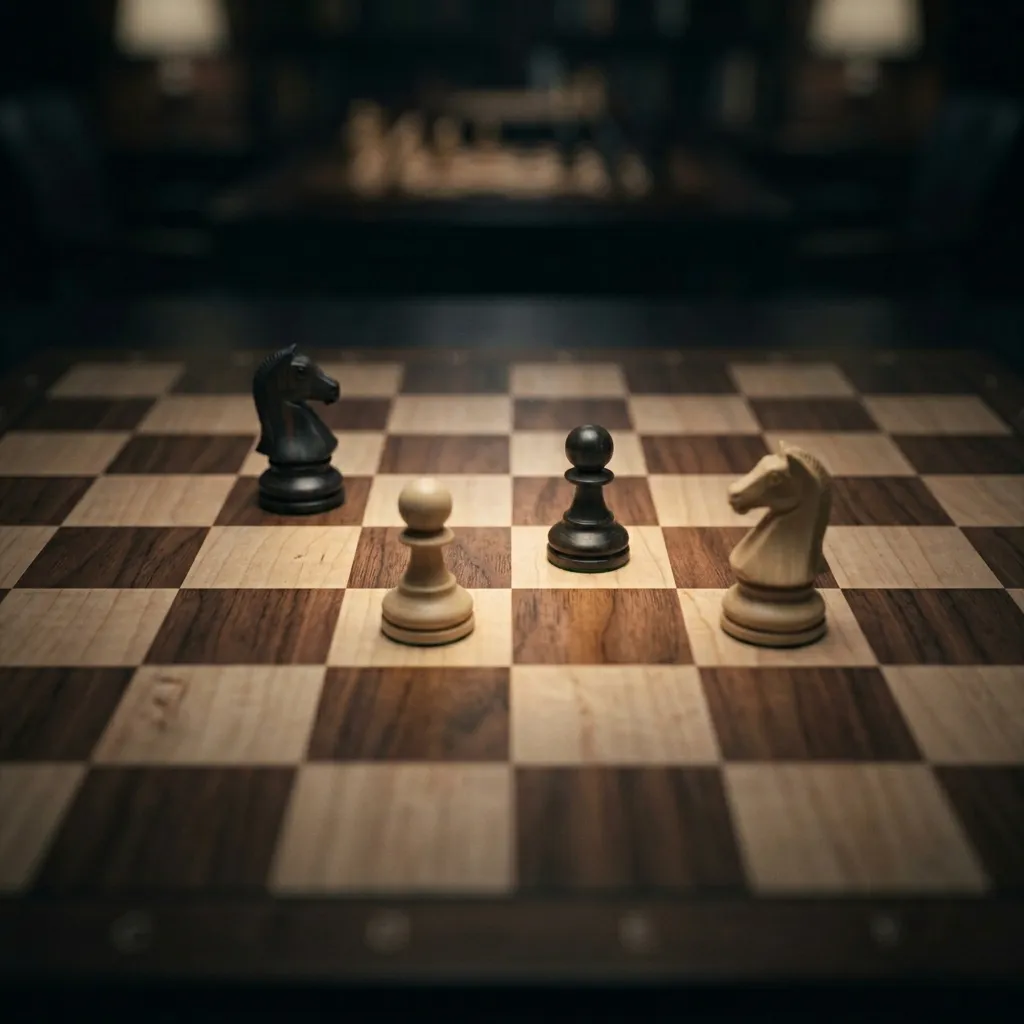
Castling
Castling
A special move where the king and rook move in the same turn to improve king safety.
C
Center Control
Center Control
The struggle for dominance over the central squares of the board.

C
Central Passed Pawn
Central Passed Pawn
A passed pawn advancing on the d or e file, disrupting the opponent's center.

C
Central Tension
Central Tension
Keeping central pawn contact intact instead of resolving it immediately, preserving flexibility and creating options.

C
Check
Check
A forcing situation showing that the opponent’s king is under threat.

C
Checkmate
Checkmate
The opponent’s king is in check and has no legal way to escape, capture, or block the threat.

C
Chess Engine
Chess Engine
Chess software that calculates and evaluates positions.

C
Chess960
Chess960
An alternative chess format in which the starting position is randomized in a rule-based way.

C
Clearance
Clearance
The withdrawal of a piece or pawn to open a line or vacate a square for another piece.
C
Closed Game
Closed Game
A type of position where central pawns lock each other and maneuvering takes priority.
C
Color Balance
Color Balance
The objective of maintaining an equitable distribution of playing with White and Black pieces for each player throughout a tournament, ensuring fair conditions.

C
Color Complex
Color Complex
A set of lasting weaknesses on squares of a particular color. These weaknesses can become especially dangerous around king safety.

C
Combination
Combination
A tactical sequence in which forcing moves are linked in succession to achieve a specific goal.
C
Connected Passed Pawns
Connected Passed Pawns
The shared promotion threat created by two adjacent or mutually supporting passed pawns advancing together.

C
Counterplay
Counterplay
When under pressure, the defending side creates active threats instead of relying on passive defense.
C
Counterplay in the Center
Counterplay in the Center
A method of creating active play by breaking with pawns in the center against a flank attack.

C
Cutting Off the King
Cutting Off the King
A technique of using rank or file control to prevent the opposing king from approaching critical areas.

D
Decoy
Decoy
A tactical move used to lure an opponent's piece to an undesirable square.
D
Default Time
Default Time
The official waiting period a player has to arrive at the board after the round starts before losing by default.
D
Defensive Resource
Defensive Resource
A hidden idea or move that offers resistance in a lost or difficult-looking position.
D
Defensive Sacrifice
Defensive Sacrifice
The decision to give up material to prevent a greater loss or neutralize a threat.

D
Deflection
Deflection
A tactical motif that targets a weakness by luring a key defending piece away from its main defensive duty.

D
Deflection
Deflection
A tactic that lures an enemy piece away from its defensive duty.

D
Delay
Delay
A short waiting period before time starts being deducted from the main clock.

D
Demolition of Defense
Demolition of Defense
A method of forcibly breaking up the pawn-piece structure that protects the king or a critical square.

D
Desperado
Desperado
A piece that is going to be lost inflicts as much damage as possible before it goes.

D
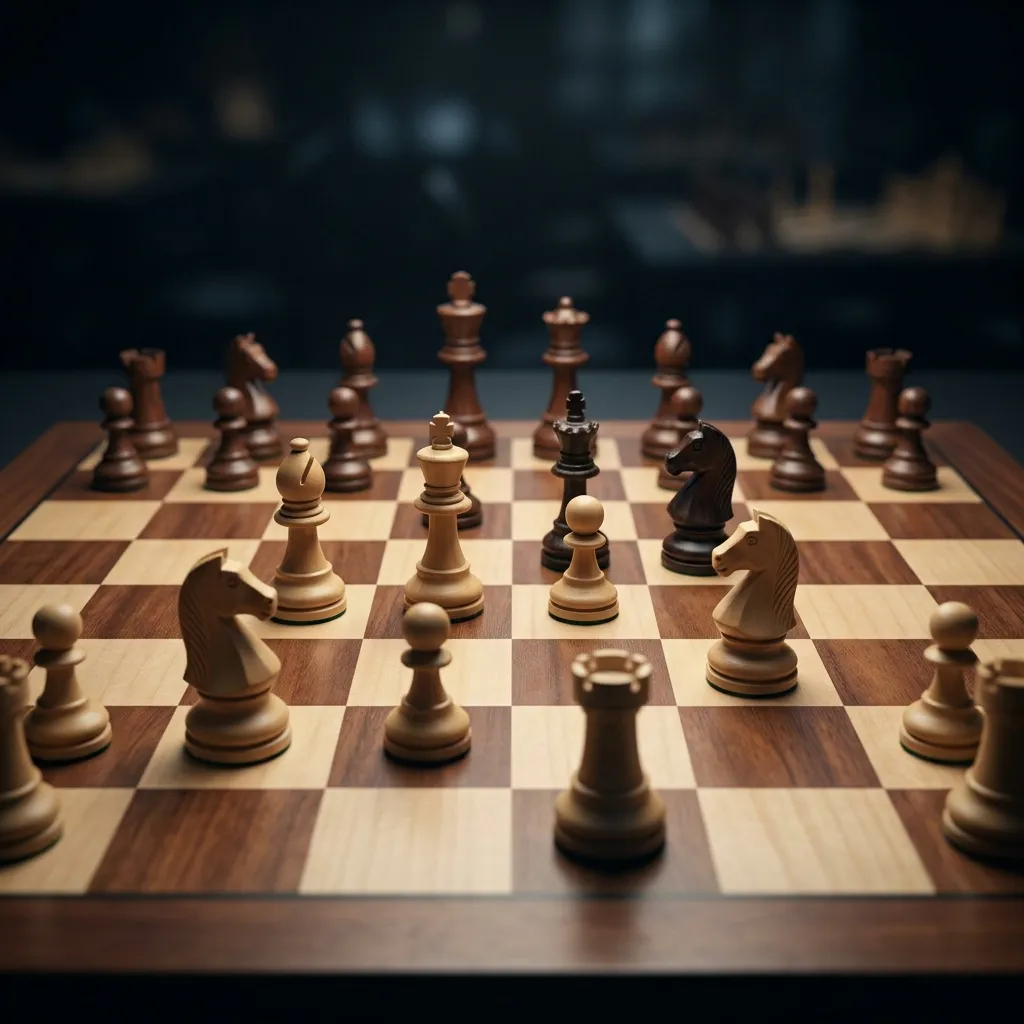
Development
Development
Moving pieces from their starting squares to effective squares. A key opening principle tied to activity and king safety.
D
Development Lead
Development Lead
The situation of bringing more pieces into play in the opening to gain time and initiative.

D
Discovered Attack
Discovered Attack
A tactic in which moving the front piece reveals an attack from the piece behind it.

D
Discovered Attack
Discovered Attack
A move that opens the line of attack for a piece behind it. The moving piece may also create a threat.

D
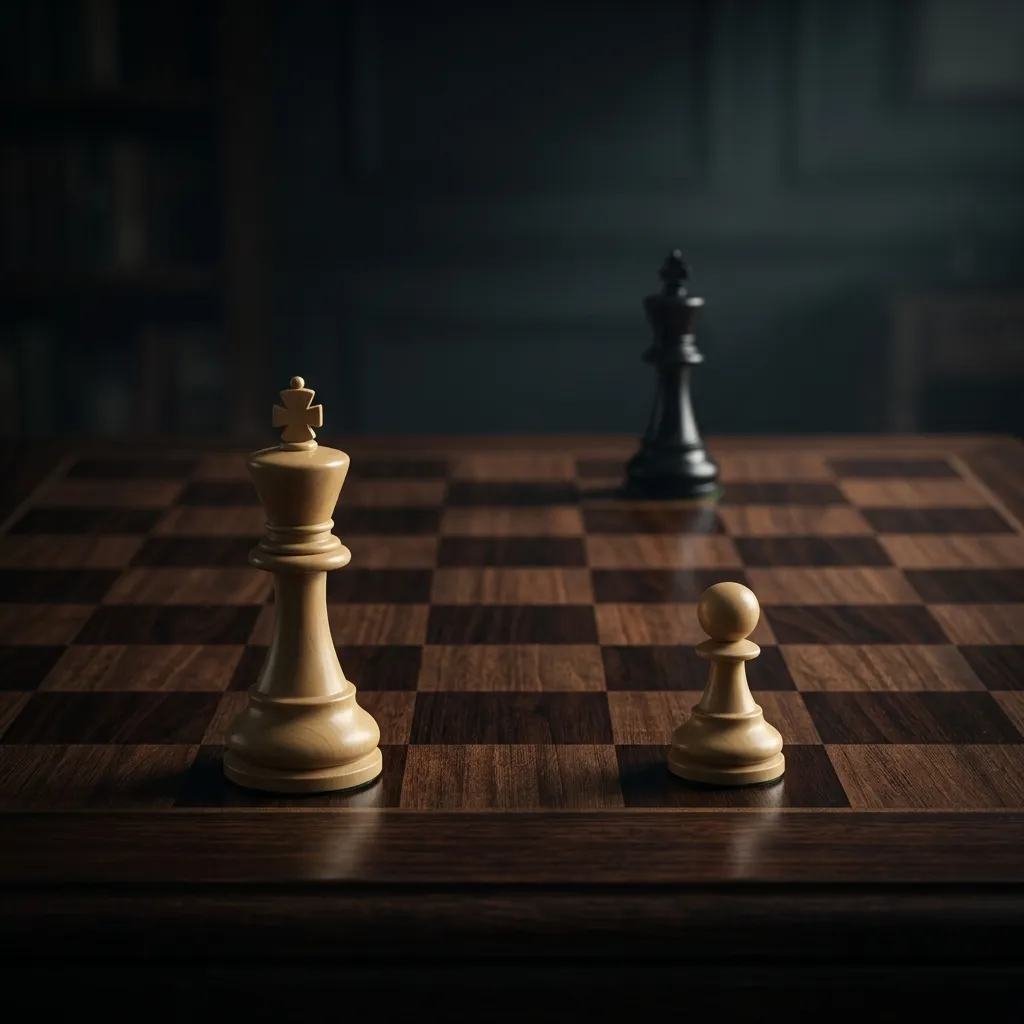
Discovered Check
Discovered Check
When the front piece is moved away, the piece behind it begins to threaten the opposing king.
D
Distant Opposition
Distant Opposition
In pawn endings, a technique for indirectly controlling the tempo when the kings are separated by distance.

D
Domination
Domination
A piece neutralizes an opponent's piece without leaving it any safe squares. This control renders the opponent's piece almost immobile.

D
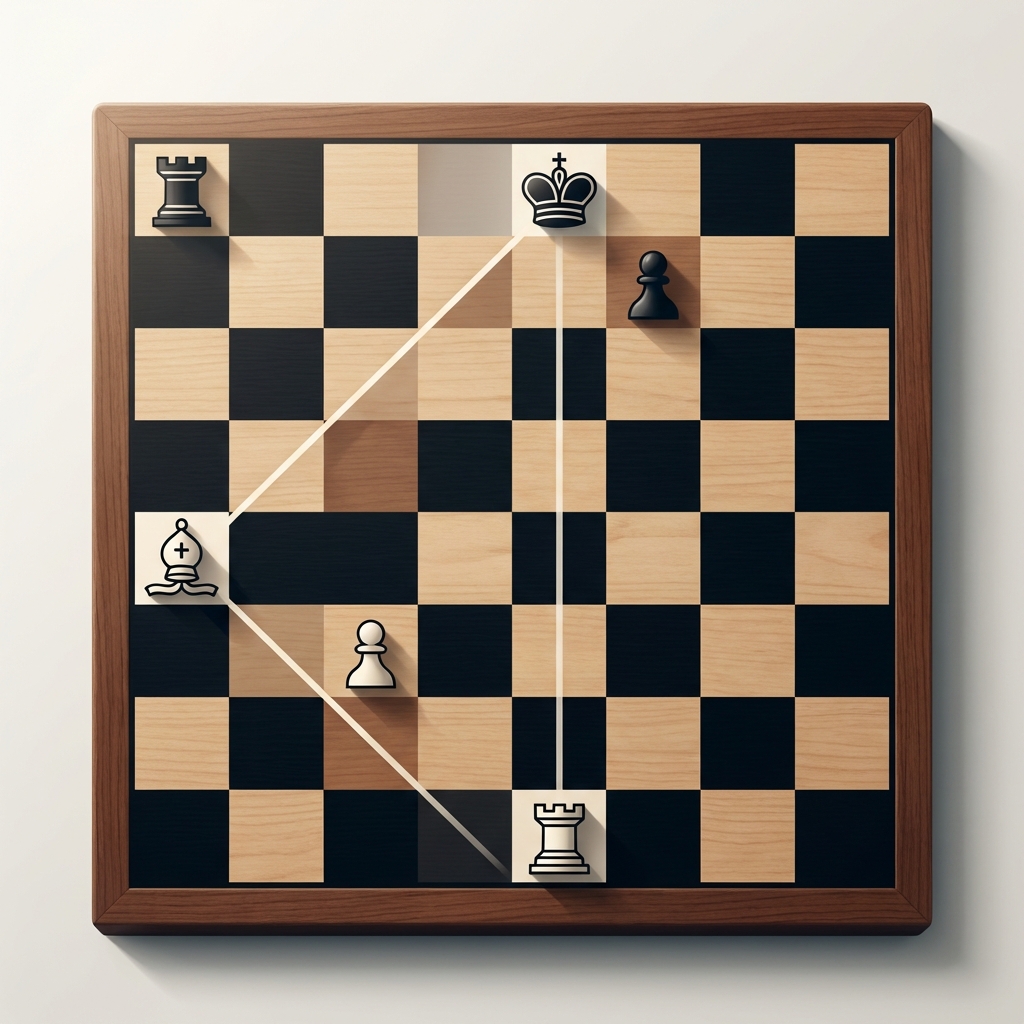
Double Check
Double Check
Two pieces simultaneously deliver a check to the opposing king. It is the most powerful form of check in chess.
D
Double Check
Double Check
Simultaneous threat to the opposing king by two different pieces.
D
Double Threat
Double Threat
The idea of splitting the defense by creating two different threats at the same time with a single move.

D
Doubled Pawns
Doubled Pawns
A structural weakness or dynamic balance created when two pawns occupy the same file.

D
Draw
Draw
A game finished without a winner, with the point shared between the players.
D
Dynamic Balance
Dynamic Balance
A position that appears statically equal, yet both sides have different active resources.

E
Elo Rating
Elo Rating
A rating system and score that numerically expresses a player's strength.

E
En Passant
En Passant
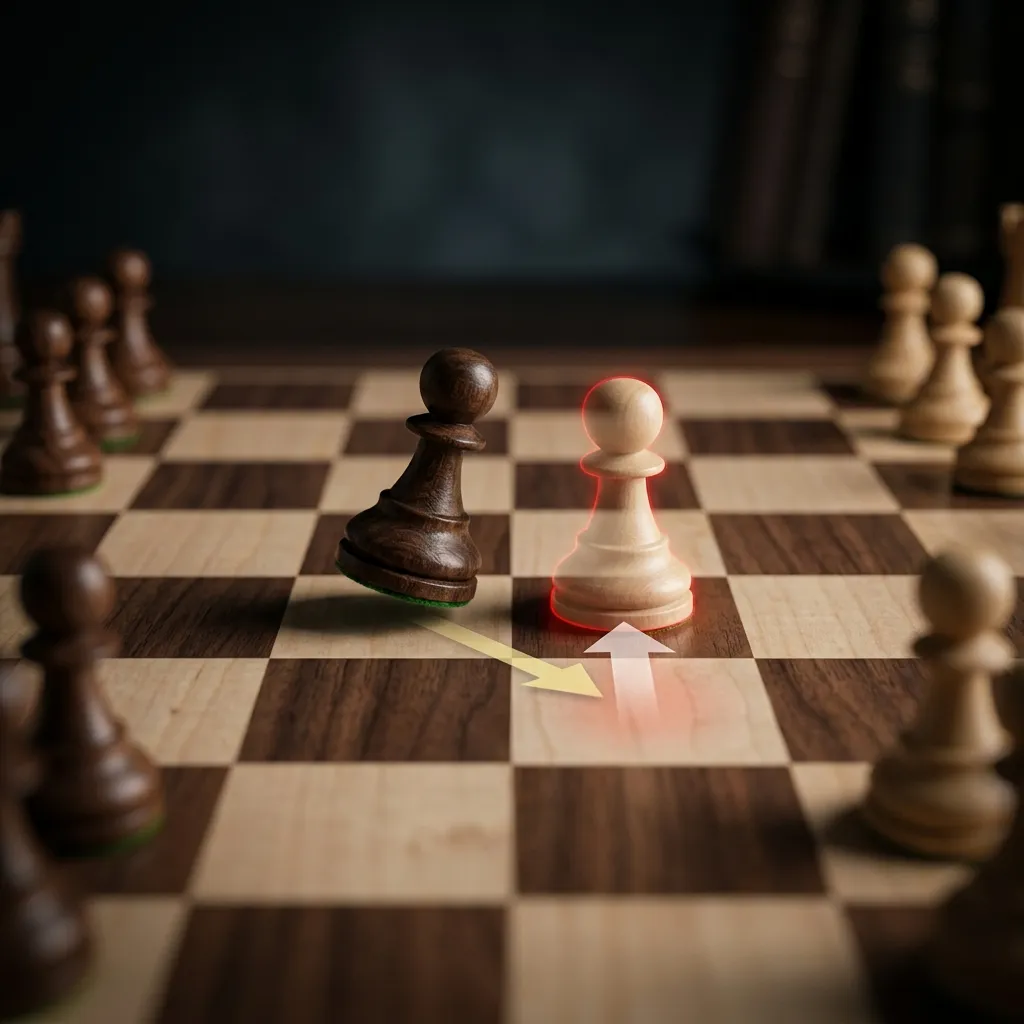
The right to capture an opposing pawn that advances two squares alongside it, as if it had moved only one square.
E
En Passant
En Passant
Capturing in passing. A special capture rule that applies only to pawns.
E
En Prise
En Prise
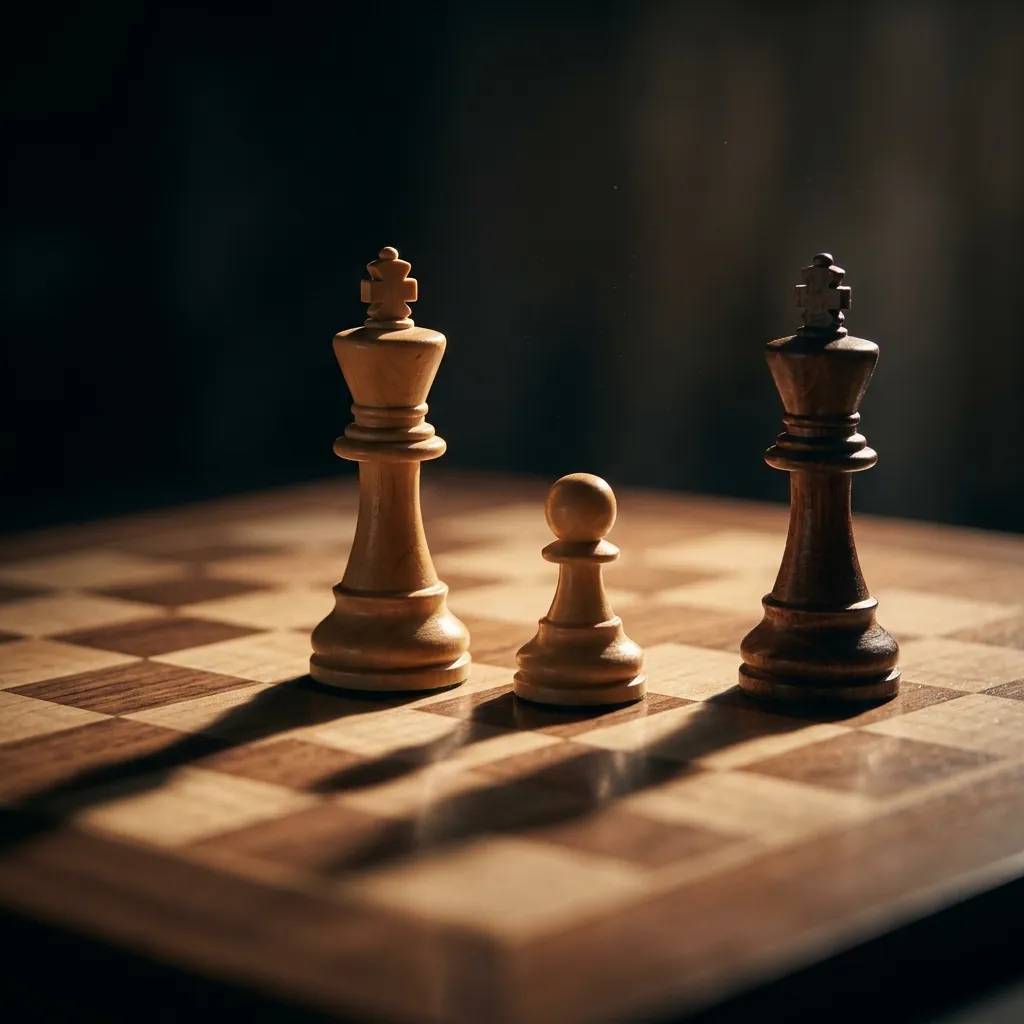
A piece or pawn left in a position where the opponent can win material by capturing it.
E
Endgame
Endgame
The final phase of the game, where precise calculation and pawn structure become more important as fewer pieces remain on the board.

E
Endgame Tablebase
Endgame Tablebase
A precomputed database system that gives the absolutely correct result in endgames with few pieces.

E
Engine Depth
Engine Depth
The level showing how many half-moves ahead the engine calculates in a position.

E
Exchange
Exchange
The relative material difference between a rook and a minor piece.

E
Exchange Decision
Exchange Decision
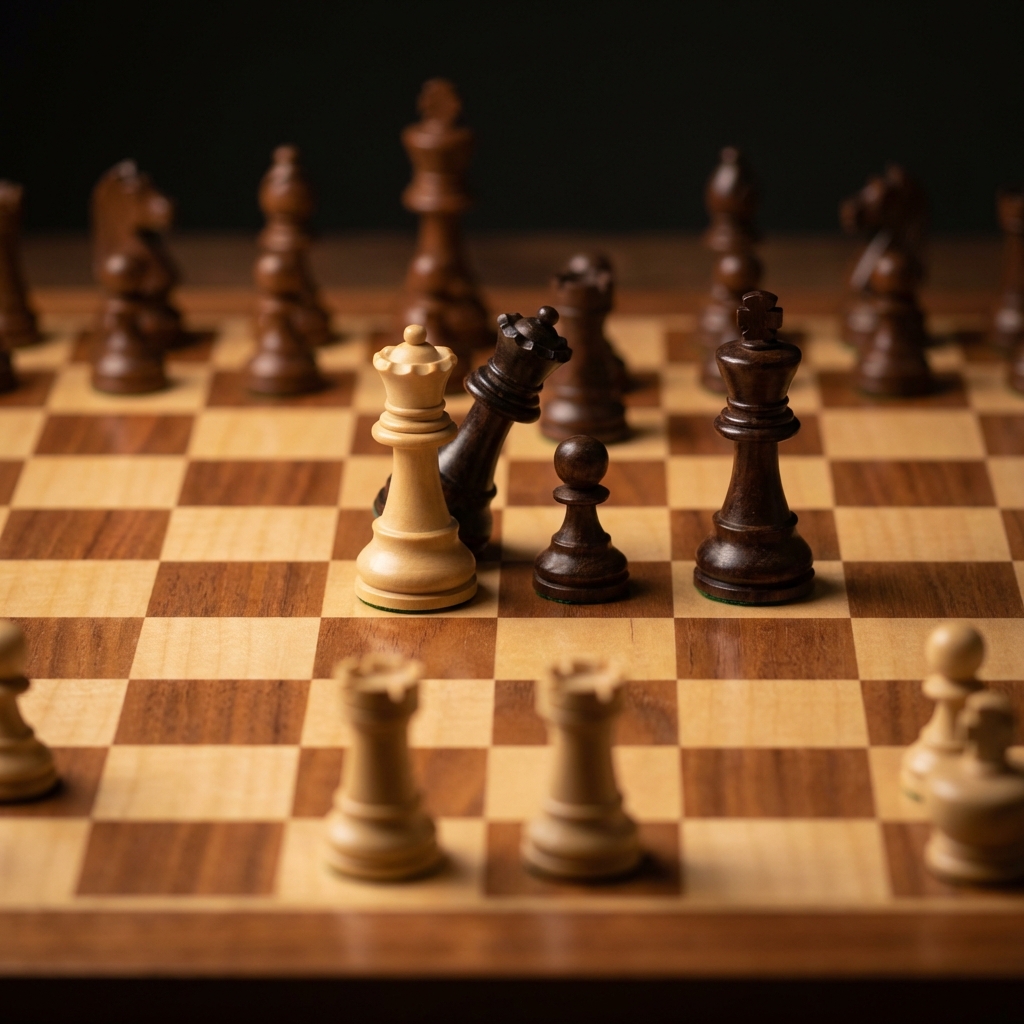
The strategic decision-making process of when and under what conditions to make exchanges.
E
Exchange of Pieces
Exchange of Pieces
A connected series of captures by both sides that reduces the number of pieces on the board.

E
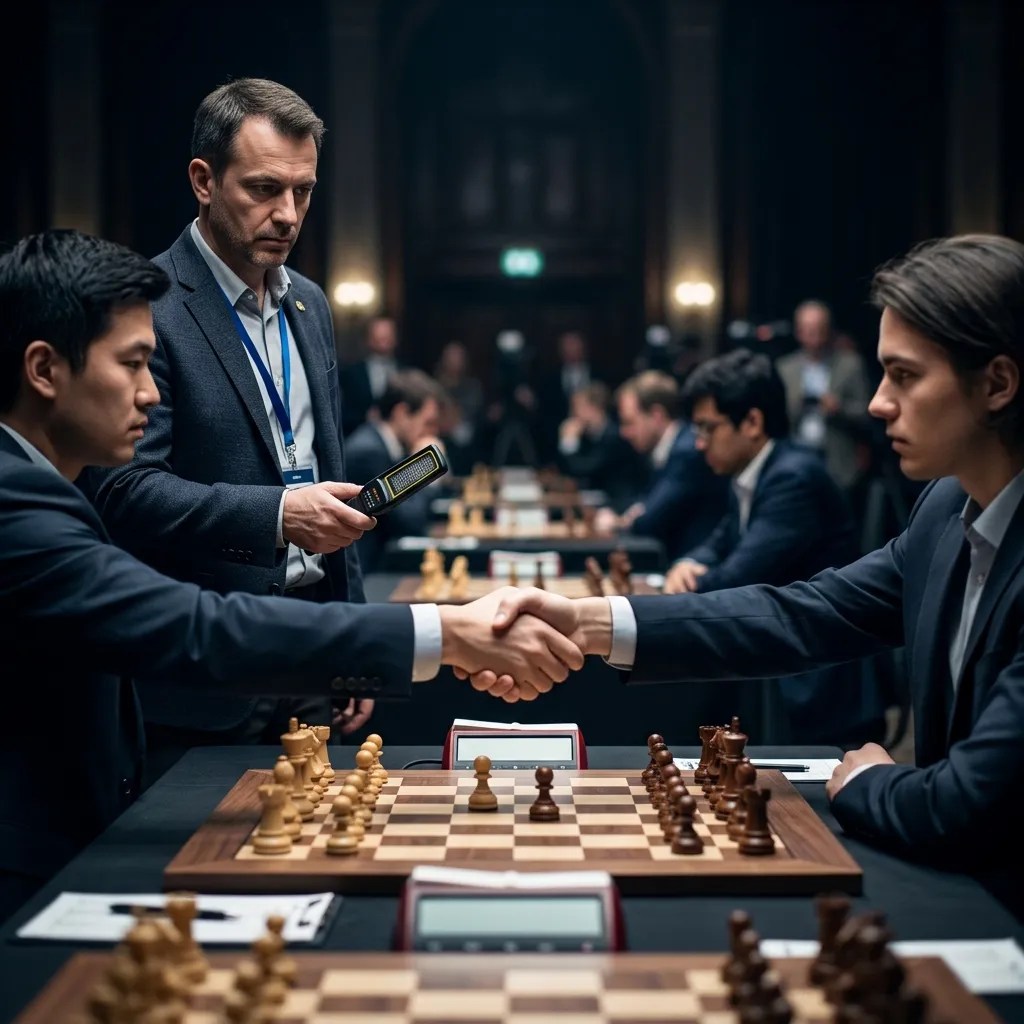
Exchange Sacrifice
Exchange Sacrifice
The idea of giving up a rook for a minor piece to gain a long-term or dynamic advantage.
F
Fair Play
Fair Play
The principle of preventing cheating, maintaining equal conditions, and ensuring ethical competition in tournaments.

F
Fianchetto
Fianchetto
Developing the bishop to b2, g2, b7, or g7 so it operates on the long diagonal.

F
FIDE
FIDE
The international governing body of world chess.

F
Fifty-Move Rule
Fifty-Move Rule
A rule that allows a draw to be claimed if no pawn move has been made and no piece has been captured in the last fifty moves.
F
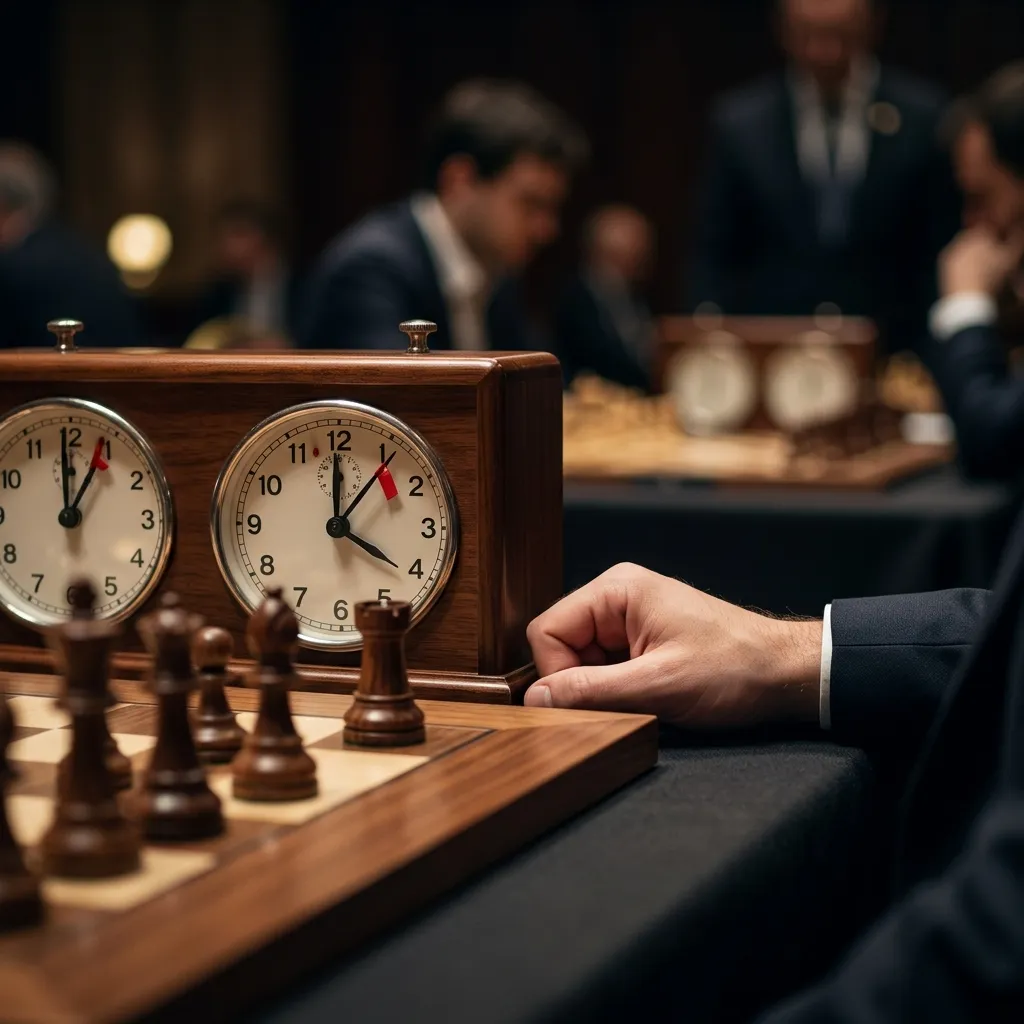
Flag Fall
Flag Fall
Flag fall is when a player's time expires on the clock. Under the right conditions, this results in a loss of the game.
F
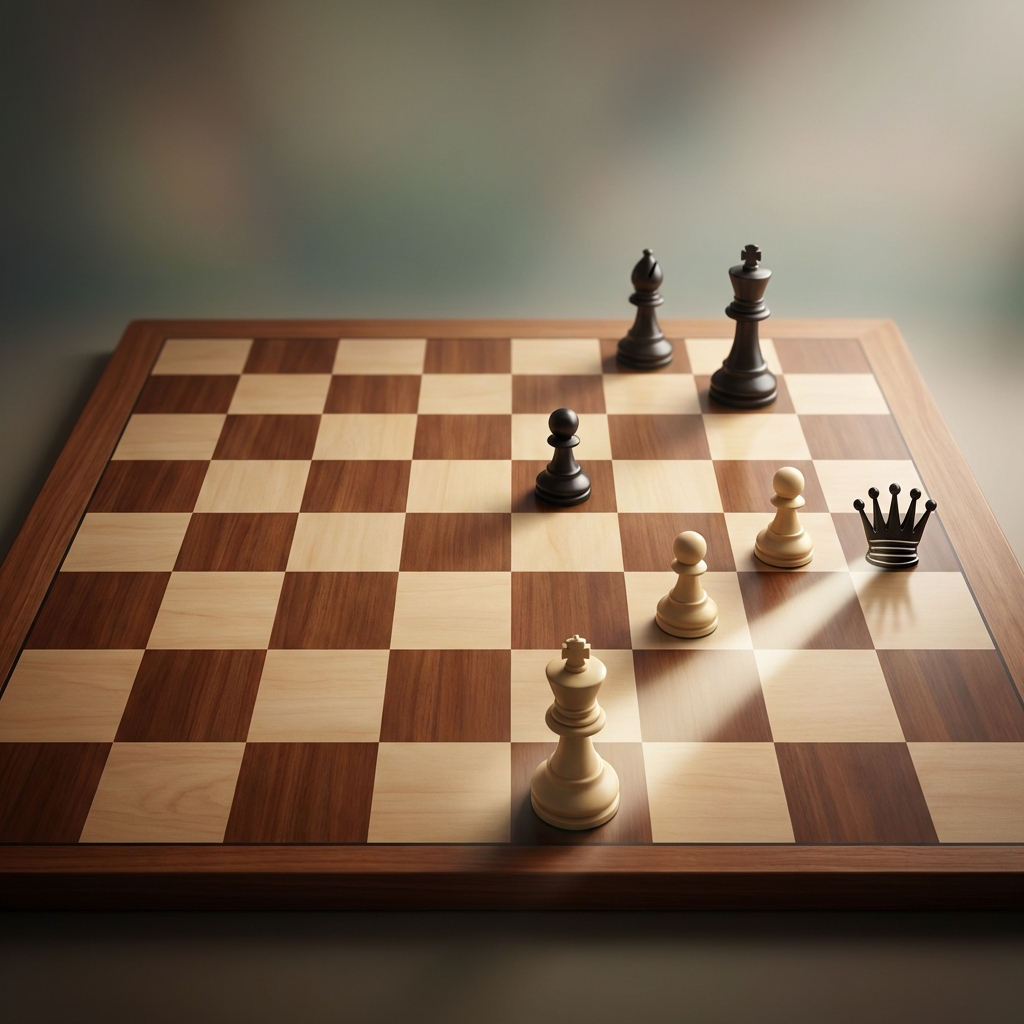
Fool's Mate
Fool's Mate
The fastest possible checkmate pattern in chess.

F
Forced Line
Forced Line
A sequence of moves in which both sides have very limited replies, making calculation clearer and more concrete.
F
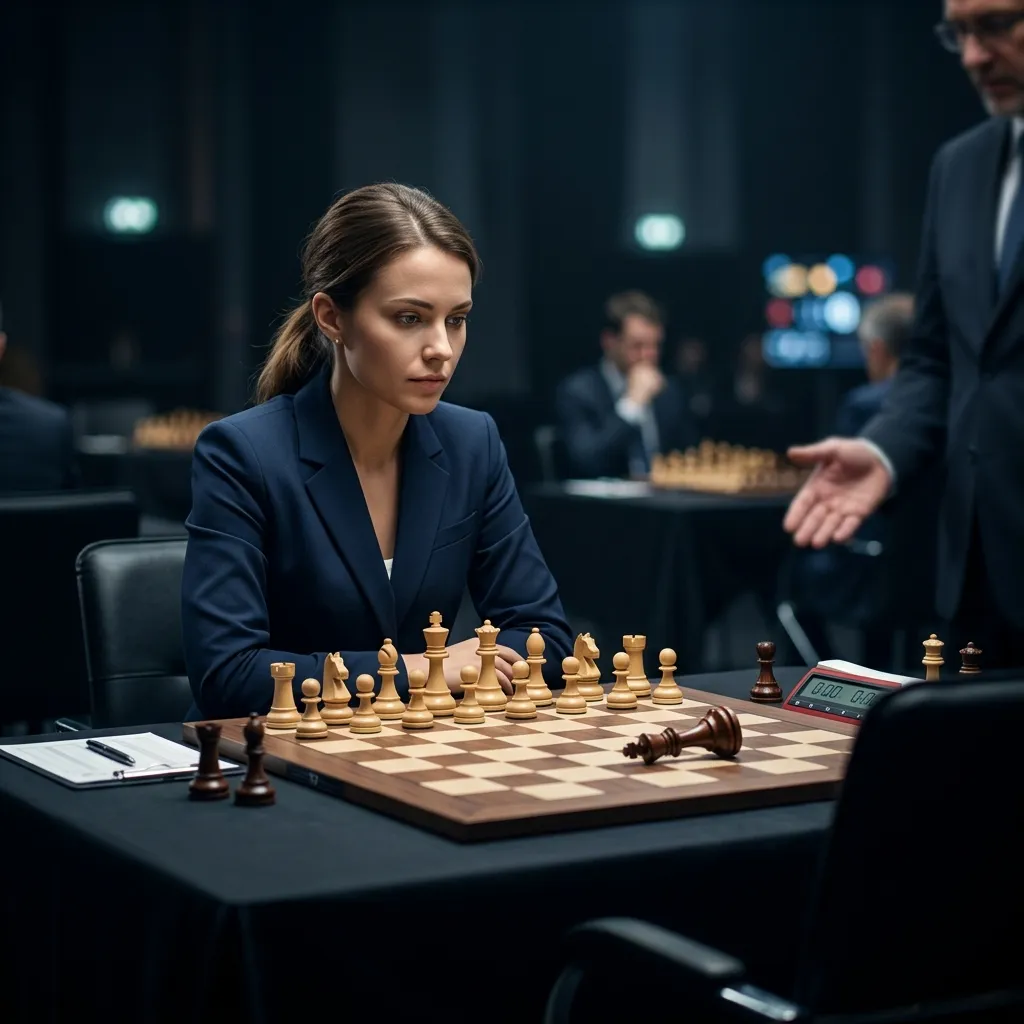
Forfeit Win
Forfeit Win
A win awarded to one side by the rules without the game ending normally on the board.

F
Fork
Fork
A tactic in which a single piece attacks multiple targets at the same time.
F
French Defense
French Defense
A solid yet dynamic opening system in which Black meets 1.e4 with ...e6.

G
Gambit
Gambit
The deliberate sacrifice of a pawn or piece to gain development or a positional advantage.

G
Good Bishop
Good Bishop
An active bishop that can operate on effective diagonals outside its own pawn chain.

G
Grandmaster (GM)
Grandmaster (GM)
The highest chess title awarded by FIDE.

G
Greek Gift Sacrifice
Greek Gift Sacrifice
A classic attacking motif, usually involving a bishop sacrifice on h7 or h2 to expose the king.

H
Hanging Pawns
Hanging Pawns
A pair of adjacent central pawns with no pawn support from either side.

H
Head-to-Head Tiebreak
Head-to-Head Tiebreak
A tiebreak criterion based on the result of the direct game between players who finish on the same score.

I
Improving Move
Improving Move
A prophylactic move that may not create an immediate threat but gradually improves the position step by step.

I
Inaccuracy
Inaccuracy
A move played when a better option exists, causing a small but measurable loss of quality.
I
Increment
Increment
Extra thinking time automatically added to the clock after each move.
I
Infiltration
Infiltration
A piece enters the opponent's camp to pressure pawns, king safety, or weak squares.

I
Initiative
Initiative
The advantage of directing play so that the opponent is forced to respond to your moves.

I
Insufficient Material
Insufficient Material
A situation where neither side can legally checkmate the other with the pieces on the board.
I
Interference
Interference
The idea of breaking the defensive link between an opponent's pieces by placing a piece in between them.
I
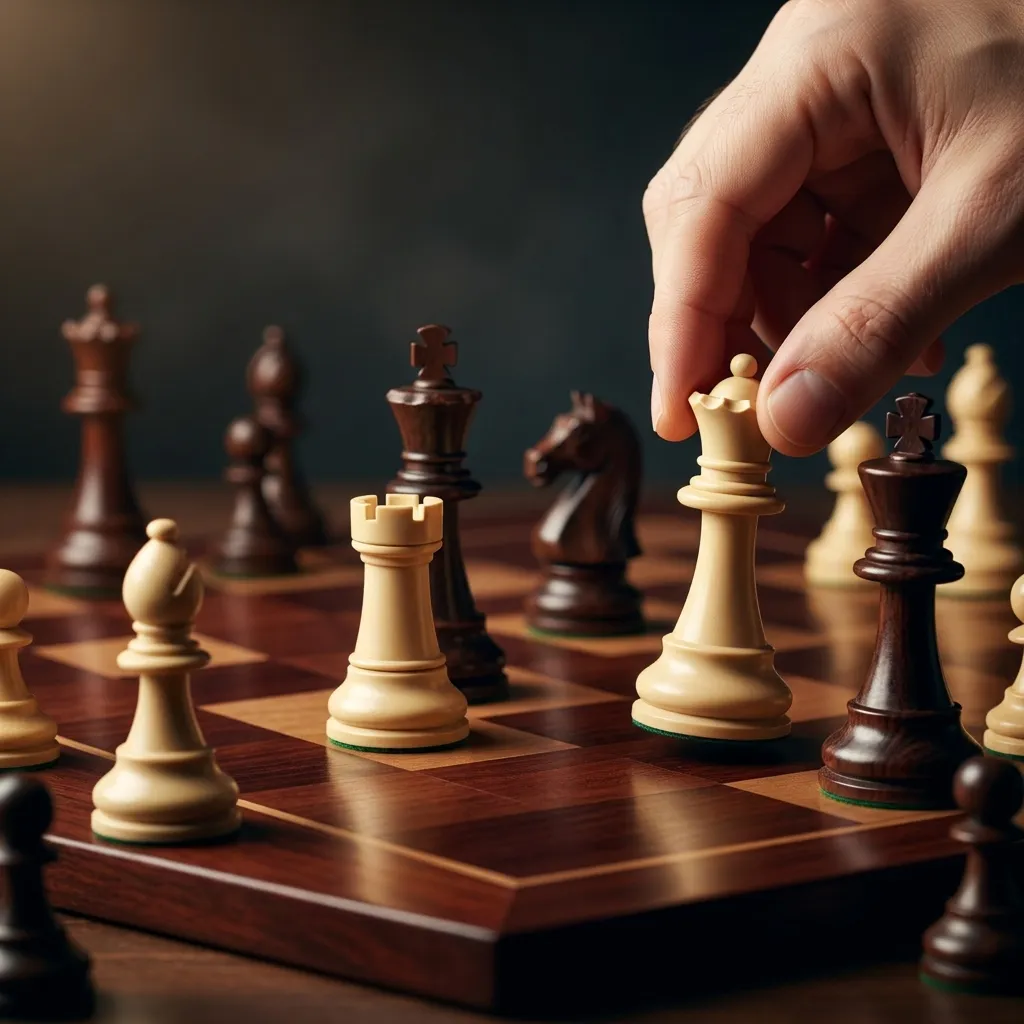
Interference
Interference
A tactic that cuts the connection between a defending piece and the square or piece it protects by interposing a piece.
I
Intermediate Check
Intermediate Check
The idea of inserting a check instead of the expected continuation to turn the variation in your favor.
I
Isolated Pawn
Isolated Pawn
A solitary pawn that has no pawns of the same color in adjacent columns. It lacks support from friendly pawns on either side.

I
Italian Game
Italian Game
A classical opening beginning with 1.e4 e5 2.Nf3 Nc6 3.Bc4.
J
J'adoube
J'adoube
The formal expression a player says before adjusting a piece, indicating no move is intended.

K
Key Squares
Key Squares
Critical squares, especially in pawn endgames, that determine the outcome if the king reaches them.

K
King Safety
King Safety
The principle of protecting the king from threats and keeping it away from open lines.

K
King Walk
King Walk
The king follows an unexpectedly long route for attacking or defensive purposes.

K
King's Gambit
King's Gambit
A sharp classical opening in which White offers a pawn with 1.e4 e5 2.f4.
K
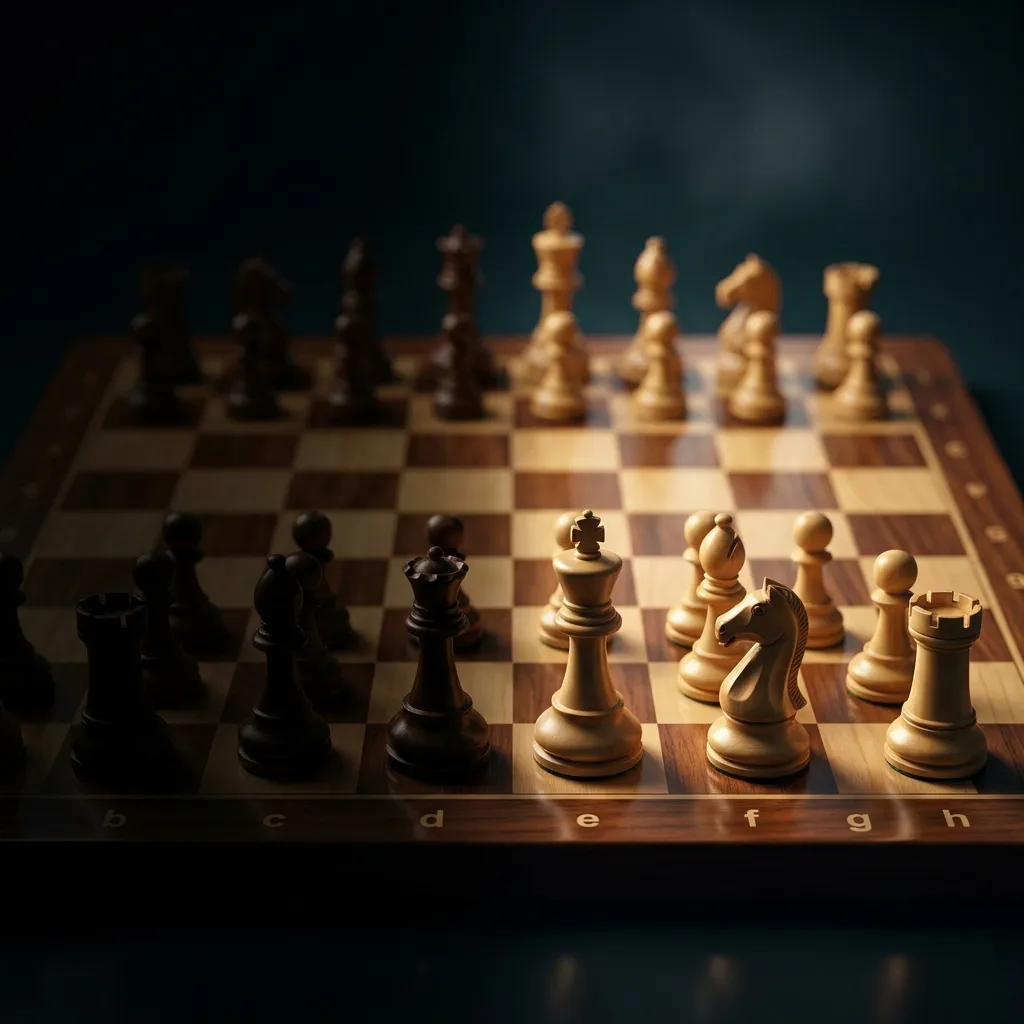
Kingside
Kingside
The right side of the board associated with the f, g, h, and usually e-files.
K
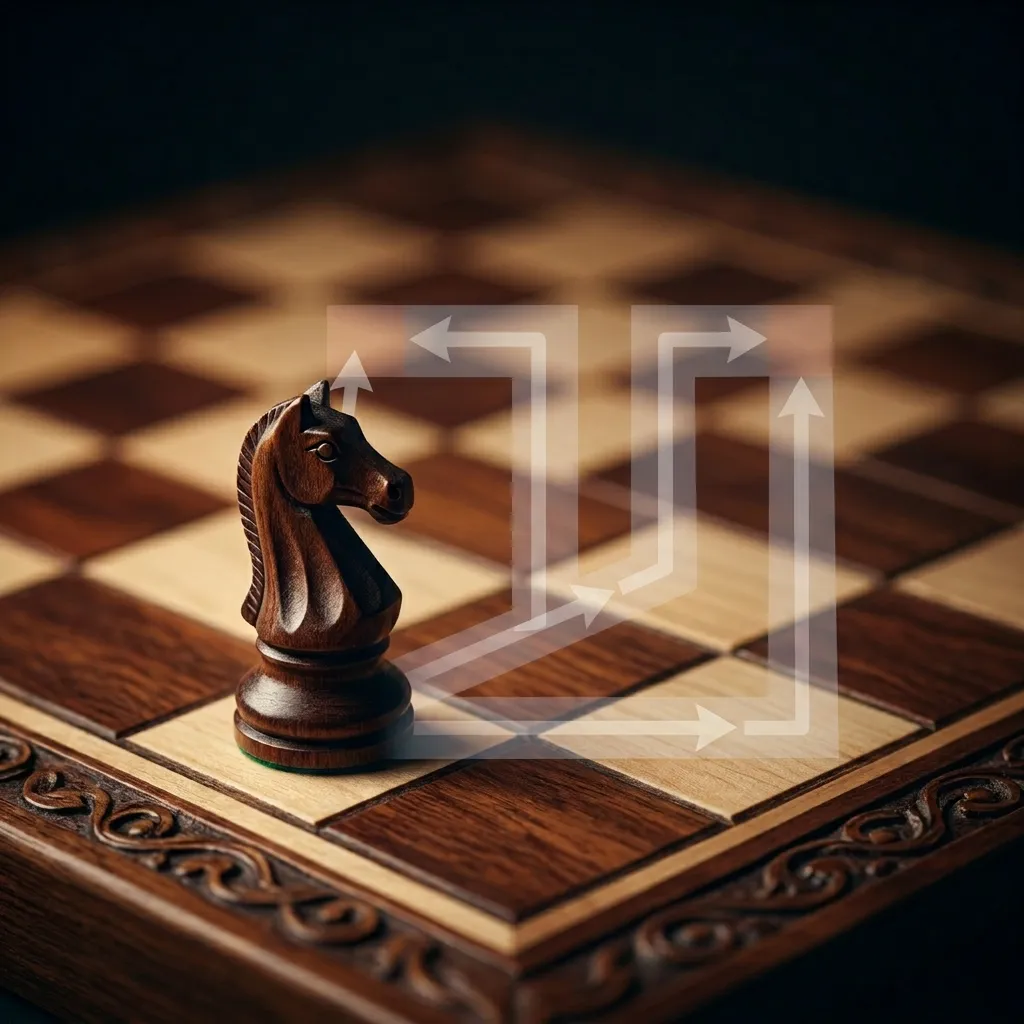
Knight
Knight
A minor piece that moves in an L-shape and can jump over other pieces.
K
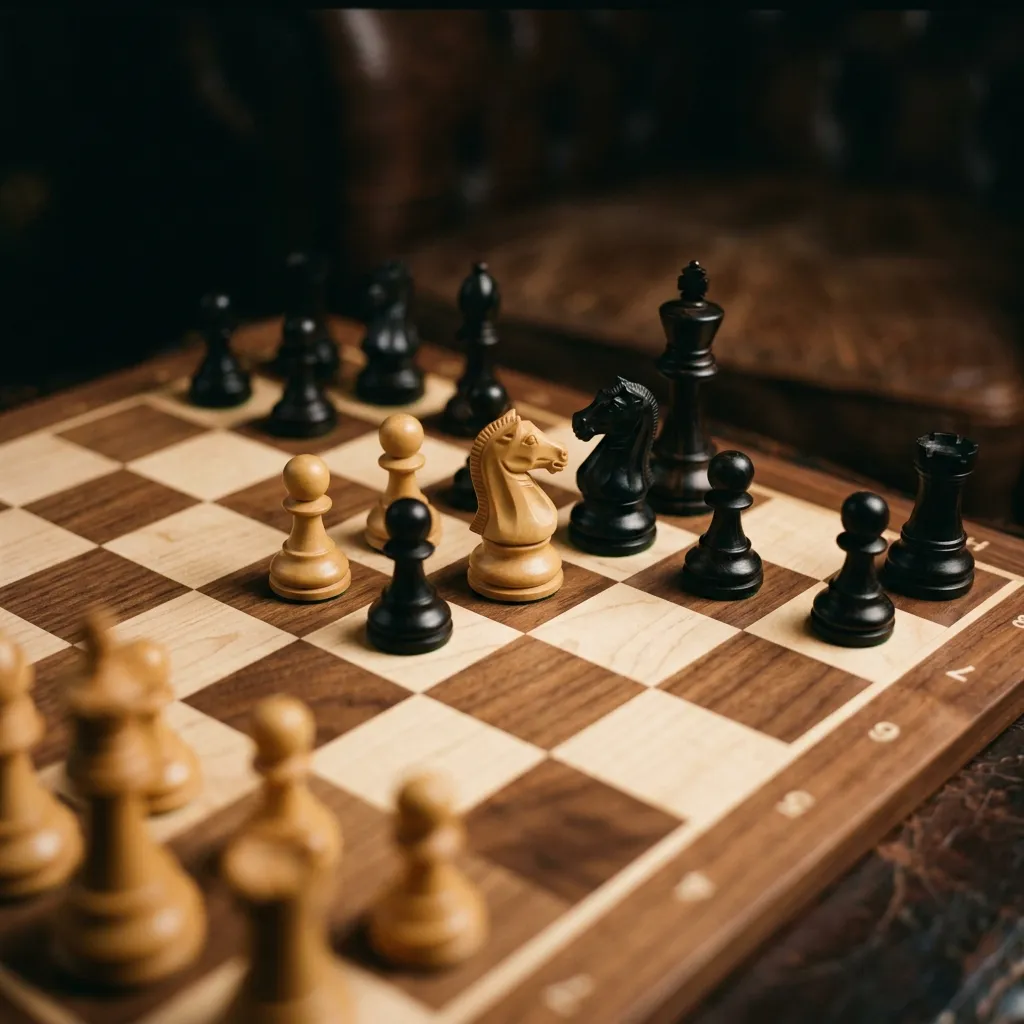
Knight Endgame
Knight Endgame
A closed type of endgame in which knight maneuvering and tempo play determine the outcome.
K
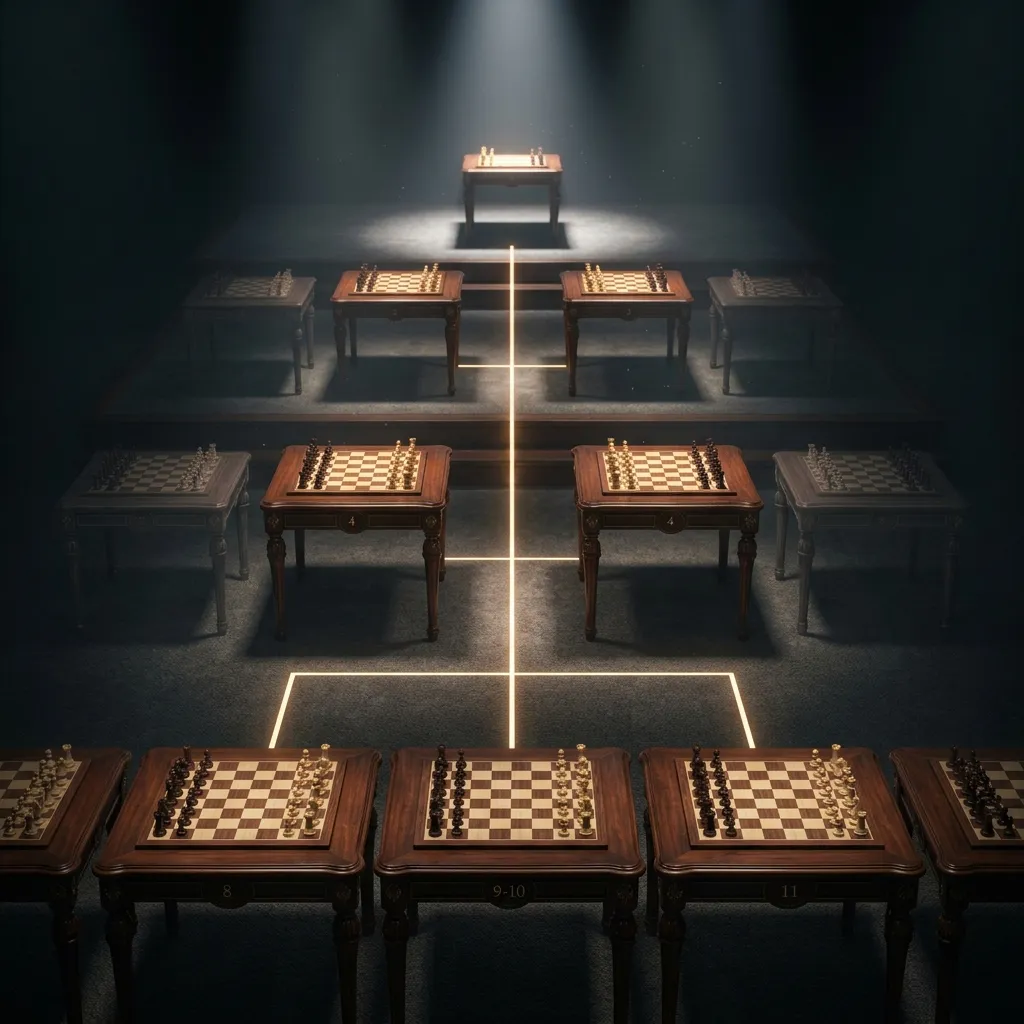
Knockout Format
Knockout Format
A tournament format where the loser is eliminated each round and the winner advances.

L
Lasting Advantage
Lasting Advantage
A positional advantage, such as pawn structure or a strong square, that can be maintained for a long time.
L
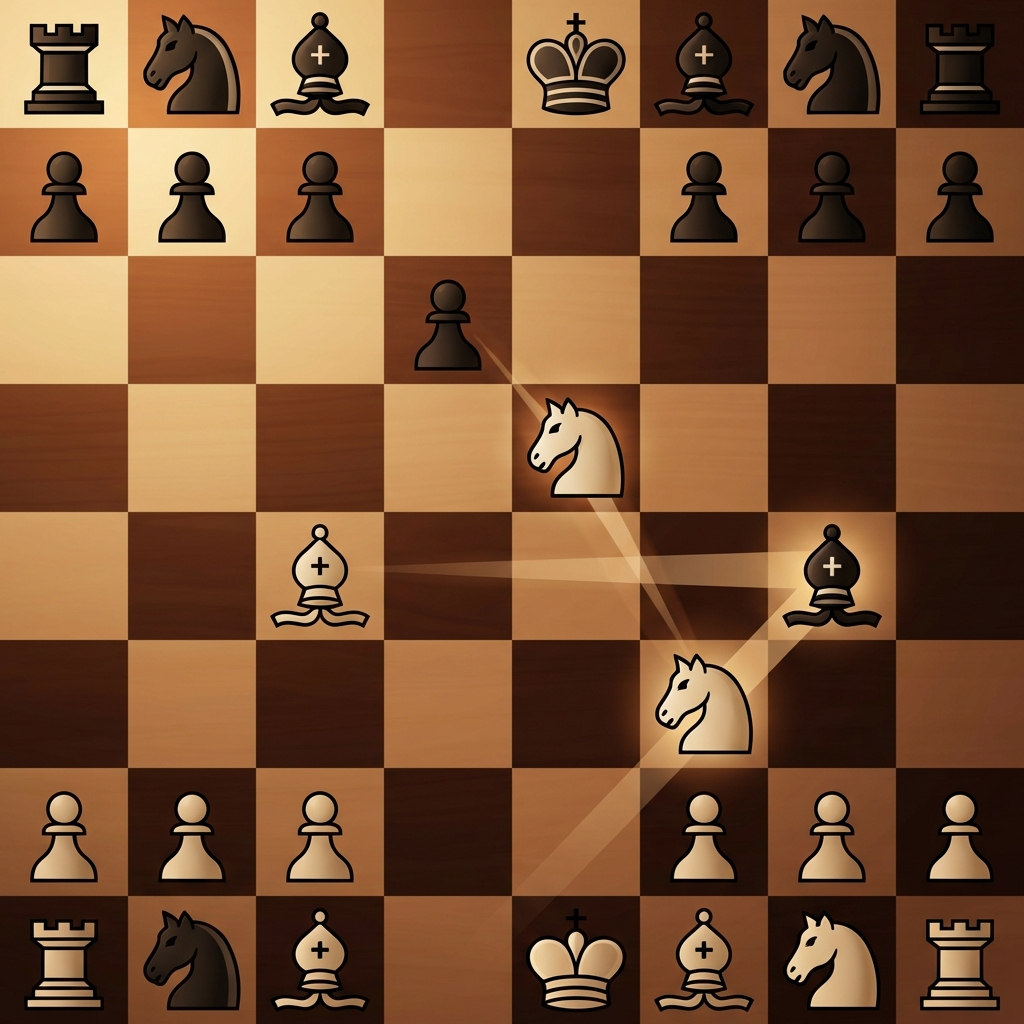
Legal's Mate
Legal's Mate
A classic opening combination that appears to begin with a queen sacrifice and ends in a swift mate.

L
Live Rating
Live Rating
A temporary rating value that changes in real time with each game result while a tournament is in progress.

L
Live Standings
Live Standings
As results are entered during a tournament, the current standings table is updated in real time.

L
Loss of Tempo
Loss of Tempo
Reaching the same goal later because of unnecessary moves, often giving up the initiative.

L
Lucena Position
Lucena Position
A fundamental rook endgame setup where a passed pawn is converted into a win by building a bridge.

L
Luft
Luft
A flight square created to prevent the king from falling victim to a back-rank mate.

M
Main Line
Main Line
The principal continuation in an opening that is theoretically regarded as the most reliable.

M
Major Pieces
Major Pieces
The long-range group of pieces formed by the rooks and the queen.

M
Maneuver
Maneuver
A piece follows a route of several moves to reach a better square.

M
Mating Net
Mating Net
An attacking pattern that forces mate by systematically cutting off the opposing king's escape squares.
M
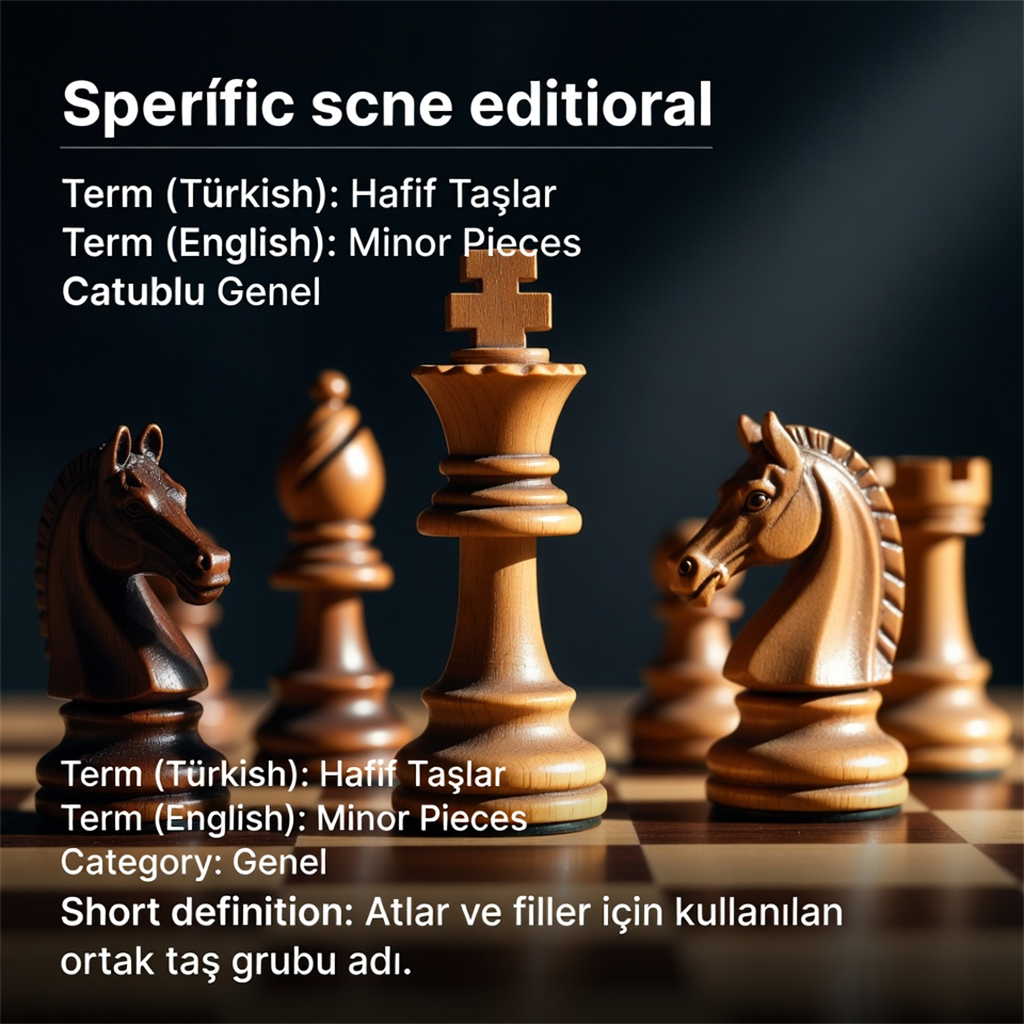
Minor Pieces
Minor Pieces
The collective name for knights and bishops. A common classification in exchanges and positional evaluation.
M
Minority Attack
Minority Attack
A plan of using pawns on the side with fewer pawns to create weaknesses in the opponent's structure.

M
Minority Attack
Minority Attack
A strategic plan carried out on the flank with fewer pawns, aiming to damage the opponent's pawn structure.
M
Mistake
Mistake
An inferior move that worsens the position but does not immediately lose the game.

M
Move Order
Move Order
An opening and middlegame factor where playing the same idea in a different sequence changes the character of the variation.

N
Norm
Norm
The tournament performance required to qualify for the GM or IM title.

N
Notation
Notation
Notation is the system for recording chess moves in written form.

O
Open Diagonal
Open Diagonal
A diagonal with few pawn obstacles, giving bishops long-range activity and pressure.
O
Open File
Open File
A vertical file with no pawns on it. It is a key avenue of activity for the rooks.
O
Open Game
Open Game
A type of game in which the central pawns have largely been exchanged and the lines are opened.

O
Opening
Opening
The initial 10-15 moves of a chess game, where pieces are developed and central control is established.
O
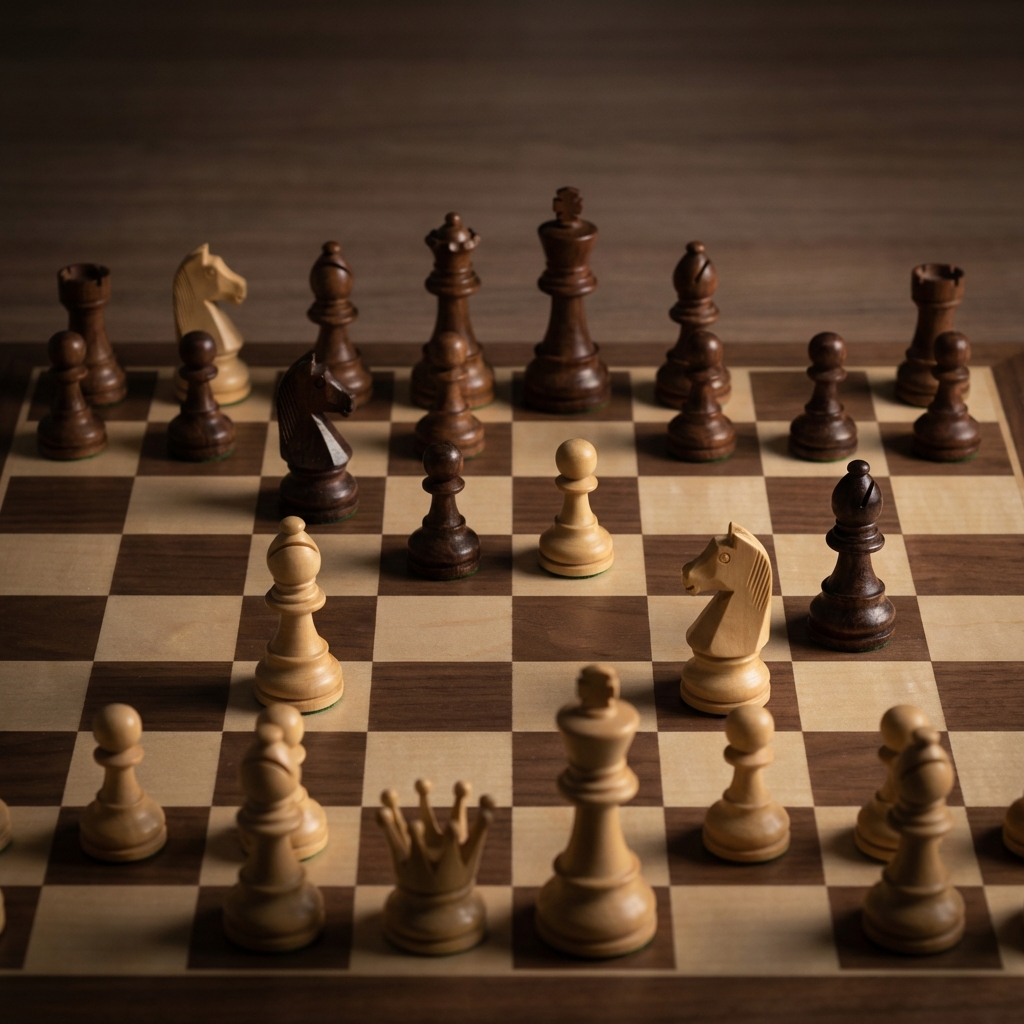
Opening Novelty
Opening Novelty
A prepared idea played for the first time, or only rarely, in a known theoretical variation.
O
Opening Trap
Opening Trap
An idea in the opening that tactically punishes an opponent's natural-looking reply in the first moves.
O
Opposite-Colored Bishops
Opposite-Colored Bishops
A structure where the players' bishops move on different-colored squares.

O
Opposition
Opposition
In king endgames, a position where the two kings face each other and the move advantage is critical.

O
Outpost
Outpost
A strong square that cannot be attacked by enemy pawns.
O
Outside Passed Pawn
Outside Passed Pawn
An outside passed pawn draws the opponent's king to one flank, creating opportunities on the other side of the board.
O
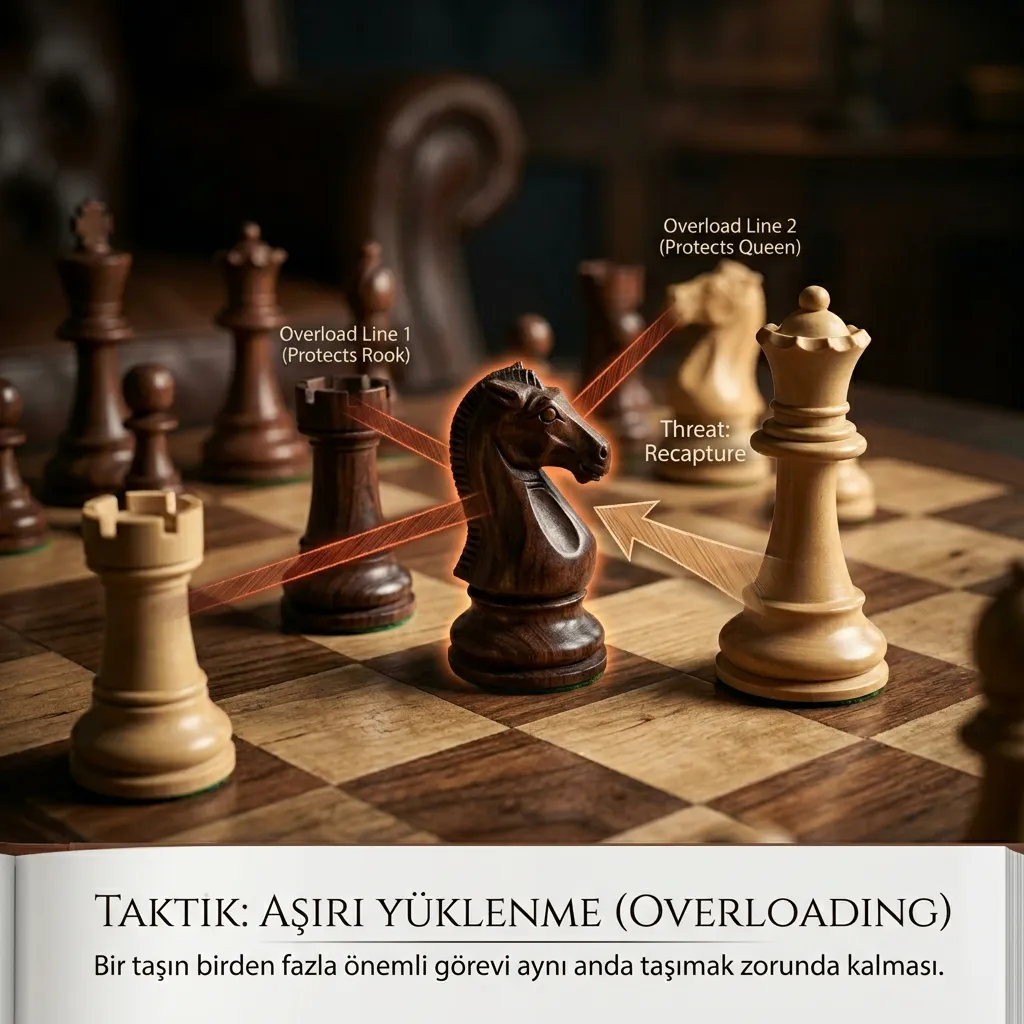
Overloading
Overloading
A piece is overloaded when it must handle multiple important duties at once and can be forced to abandon one of them.

P
Passed Pawn
Passed Pawn
A pawn that cannot be stopped by an opposing pawn in front of it or on adjacent files.
P
Passed Pawn
Passed Pawn
A pawn with no opposing pawns in front of it on its own file or adjacent files.
P
Passive Rook
Passive Rook
A rook that becomes ineffective by being tied to defense instead of pressuring a passed pawn from behind.

P
Pawn
Pawn
The smallest but one of the most important pieces in chess. Each player has 8 pawns.
P
Pawn Break
Pawn Break
A progressive pawn move aimed at disrupting the opponent's pawn structure.

P
Pawn Chain
Pawn Chain
A resilient structure formed by pawns that protect each other diagonally.

P
Pawn Hook
Pawn Hook
A target pawn that creates a point of contact on the opponent's kingside, accelerating the idea of a pawn break.
P
Pawn Island
Pawn Island
Disconnected groups of pawns. Fewer pawn islands mean a stronger structure.
P
Pawn Majority
Pawn Majority
Having more pawns than the opponent in one area of the board.

P
Pawn Race
Pawn Race
An endgame phase where both sides push passed pawns at the same time and tempi determine the outcome.

P
Pawn Structure
Pawn Structure
The long-term positional framework created by the arrangement of the pawns.
P
Pawn Weakness
Pawn Weakness
A backward, isolated, or doubled pawn structure that is hard to defend and can become a target.

P
Performance Rating
Performance Rating
The temporary rating level that a player's results in a specific tournament correspond to based on the opponents faced.
P
Perpetual Check
Perpetual Check
A defensive resource that forces a draw by keeping the opposing king under continuous check.

P
Philidor Position
Philidor Position
A classic rook ending where the defender holds the draw with third-rank defense.
P
Piece Activity
Piece Activity
A concept describing how effectively pieces are placed and how much they contribute to the game.

P
Piece Coordination
Piece Coordination
The harmonious, mutually supportive cooperation of pieces toward a common objective.

P
Piece Superiority
Piece Superiority
A situation where one side's pieces are more effectively placed and better coordinated, even with equal material.
P
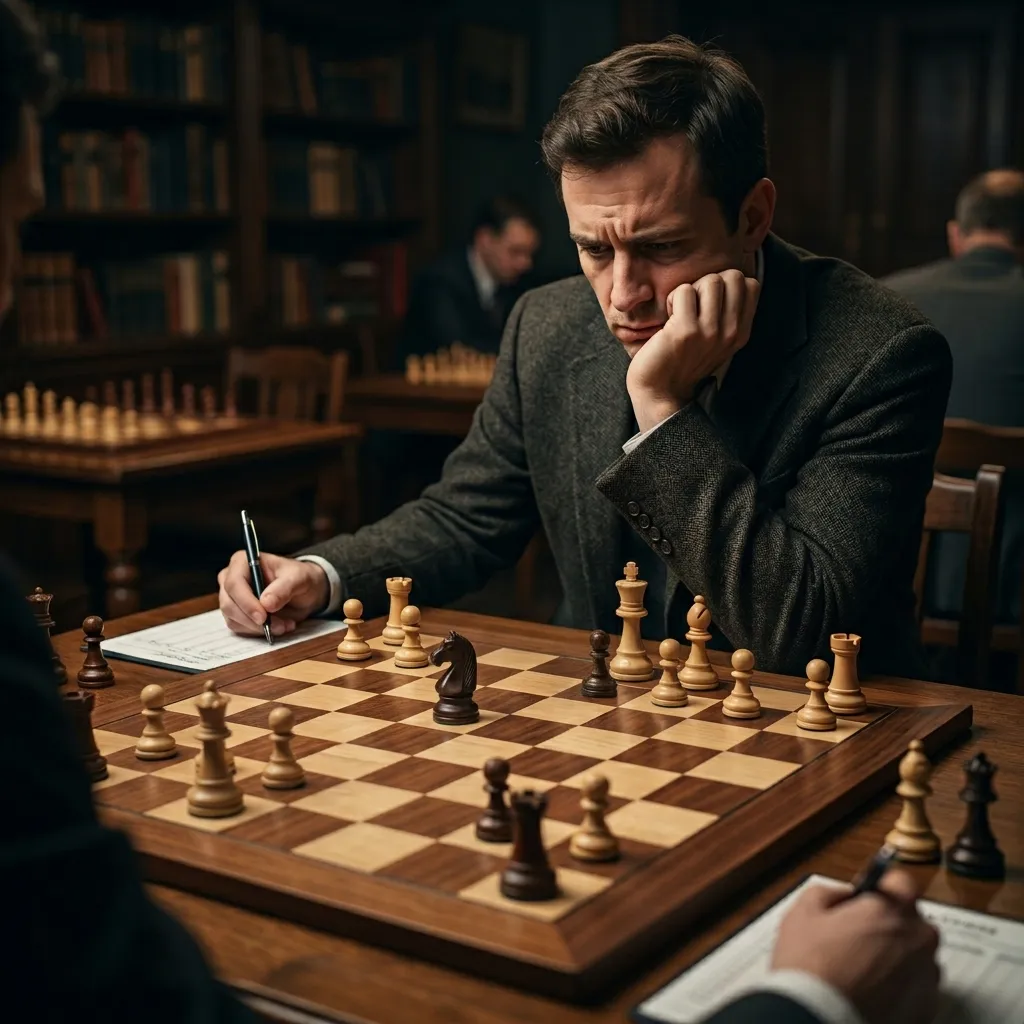
Pin
Pin
A tactical motif where moving a piece would expose a more valuable piece behind it.
P
Pin
Pin
A tactical motif in which moving the front piece would expose a more valuable piece behind it to attack.

P
Poisoned Pawn
Poisoned Pawn
A pawn that seems safe to capture but leads the capturing side into tactical or positional trouble.

P
Portable Game Notation
Portable Game Notation
A standard notation file format that stores chess games move by move in text form.

P
Principle of Two Weaknesses
Principle of Two Weaknesses
The principle of creating a second target when the opponent can defend only one weakness, causing the defense to collapse.

P
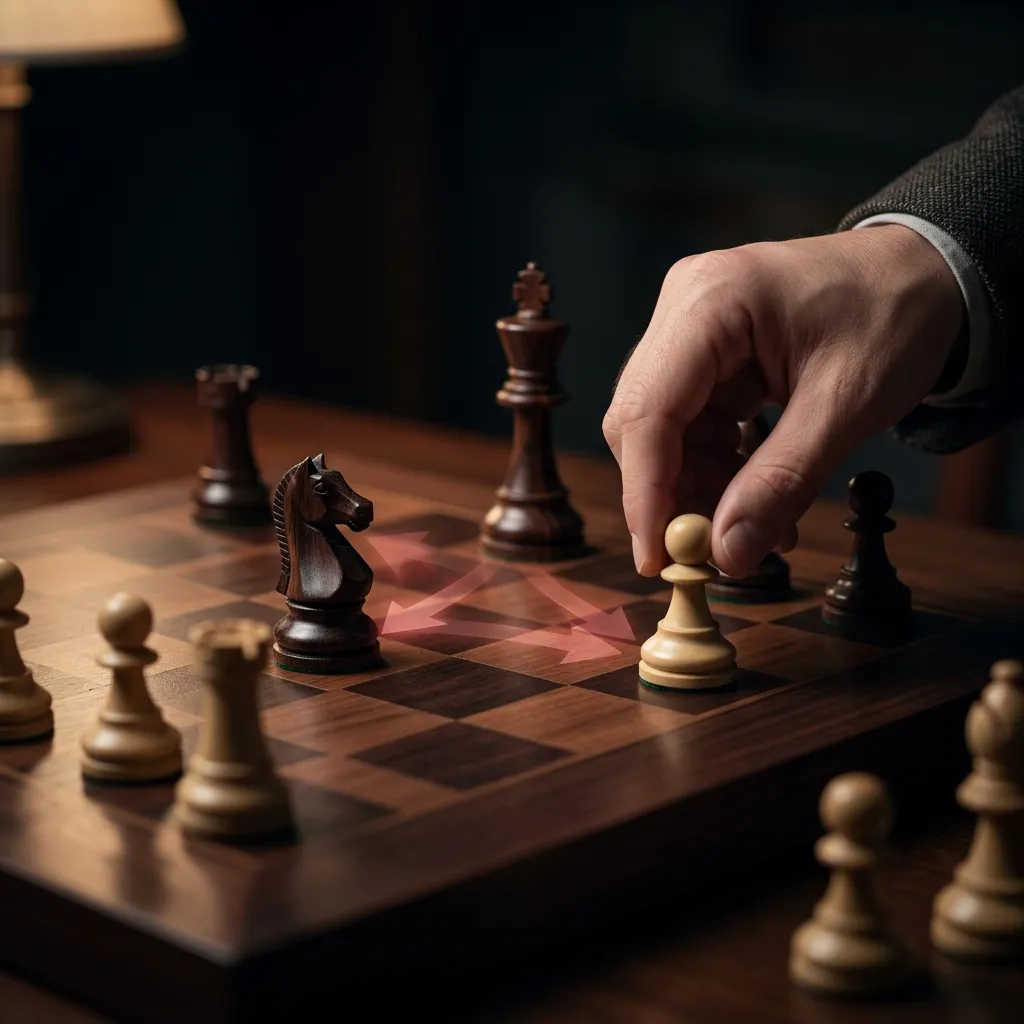
Promotion
Promotion
A pawn reaching the last rank and being transformed into another piece.

P
Promotion
Promotion
A pawn turning into another piece when it reaches the last rank.
P
Prophylaxis
Prophylaxis
A preventive approach that anticipates the opponent’s plan and stops it before it can take shape.

P
Protected Passed Pawn
Protected Passed Pawn
A passed pawn supported by another pawn.

Q
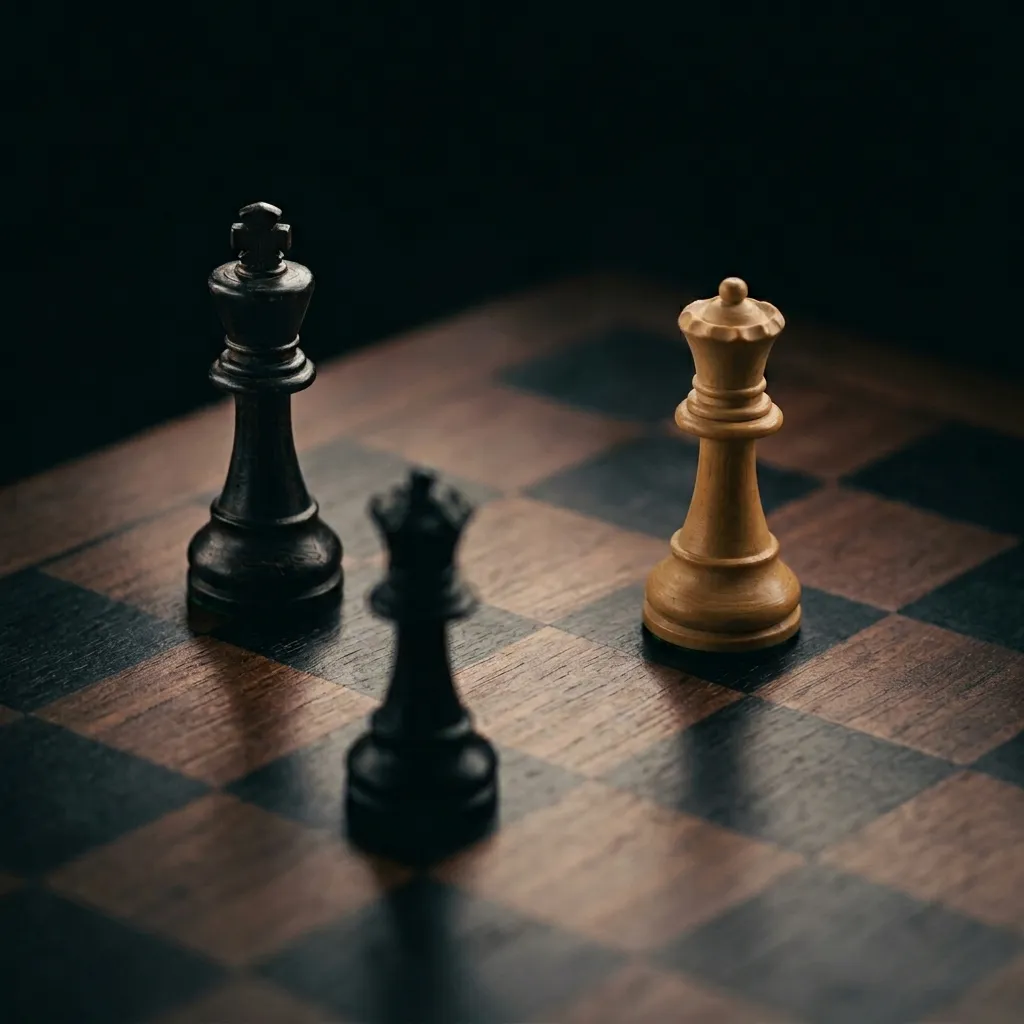
Queen
Queen
The most powerful piece in chess. It can move like both a rook and a bishop.
Q
Queen Endgame
Queen Endgame
An endgame phase where queens remain on the board and perpetual check threats become especially important.
Q
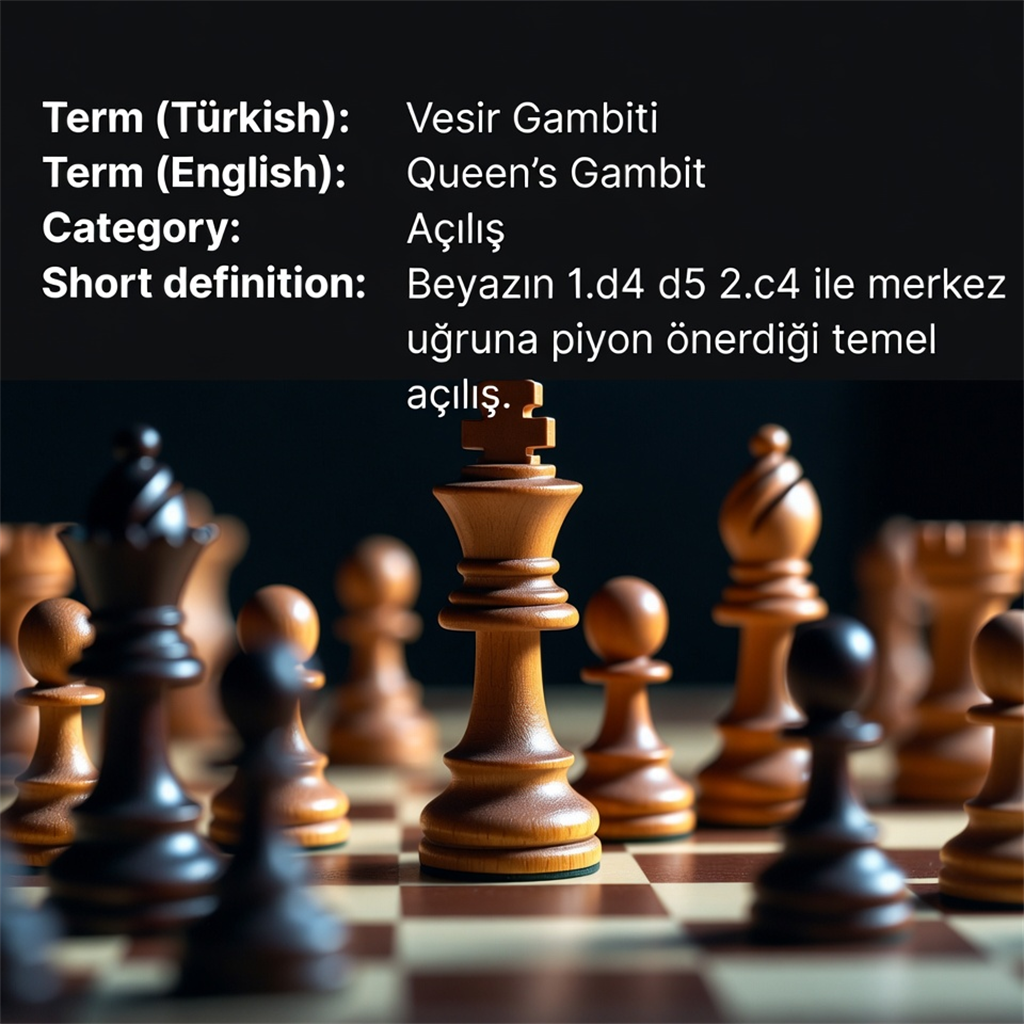
Queen's Gambit
Queen's Gambit
A fundamental opening in which White offers a pawn with 1.d4 d5 2.c4 to fight for the center.
Q
Queenside
Queenside
The left side of the board, comprising the a, b, c, and usually d files.

Q
Quiet Move
Quiet Move
A powerful move that completes a combination without giving check, making a capture, or creating an immediate direct threat.
R
Rapid Chess
Rapid Chess
A time control shorter than classical chess but longer than blitz, where both speed and decision quality matter.

R
Rook
Rook
A powerful piece that moves along horizontal and vertical lines. It is crucial for king safety and can be very effective on open files.

R
Rook Endgame
Rook Endgame
An endgame phase where rooks are decisive and technical knowledge directly affects the result.
R
Rook Pawn
Rook Pawn
A flank pawn on the a- or h-file.

R
Round Robin
Round Robin
A tournament system where every participant plays against every other participant. It is typically used in smaller tournaments.

R
Rule of the Square
Rule of the Square
A simple rule that shows whether a king can catch a pawn.

S
Sacrifice
Sacrifice
The deliberate decision to give up material for a greater objective.
S
Scholar's Mate
Scholar's Mate
A common beginner trap that aims for a quick mate by rapidly targeting the weak f7 or f2 square.

S
Seeded Player
Seeded Player
A player placed advantageously in the draw because of a high rating.
S
Semi-Open File
Semi-Open File
A file on which only one side has no pawn. It can be used to apply pressure against an opposing pawn.
S
Seventh Rank
Seventh Rank
A critical rank where rooks or the queen penetrate the opponent's second rank, exerting great pressure.

S
Shouldering
Shouldering
An endgame technique of using the king to block the opposing king's path and keep it away from critical squares.

S
Sicilian Defense
Sicilian Defense
The most popular and sharpest defense to 1.e4: 1...c5.

S
Side Line
Side Line
An alternative opening path that deviates from main theory and forces the opponent into practical decisions.
S
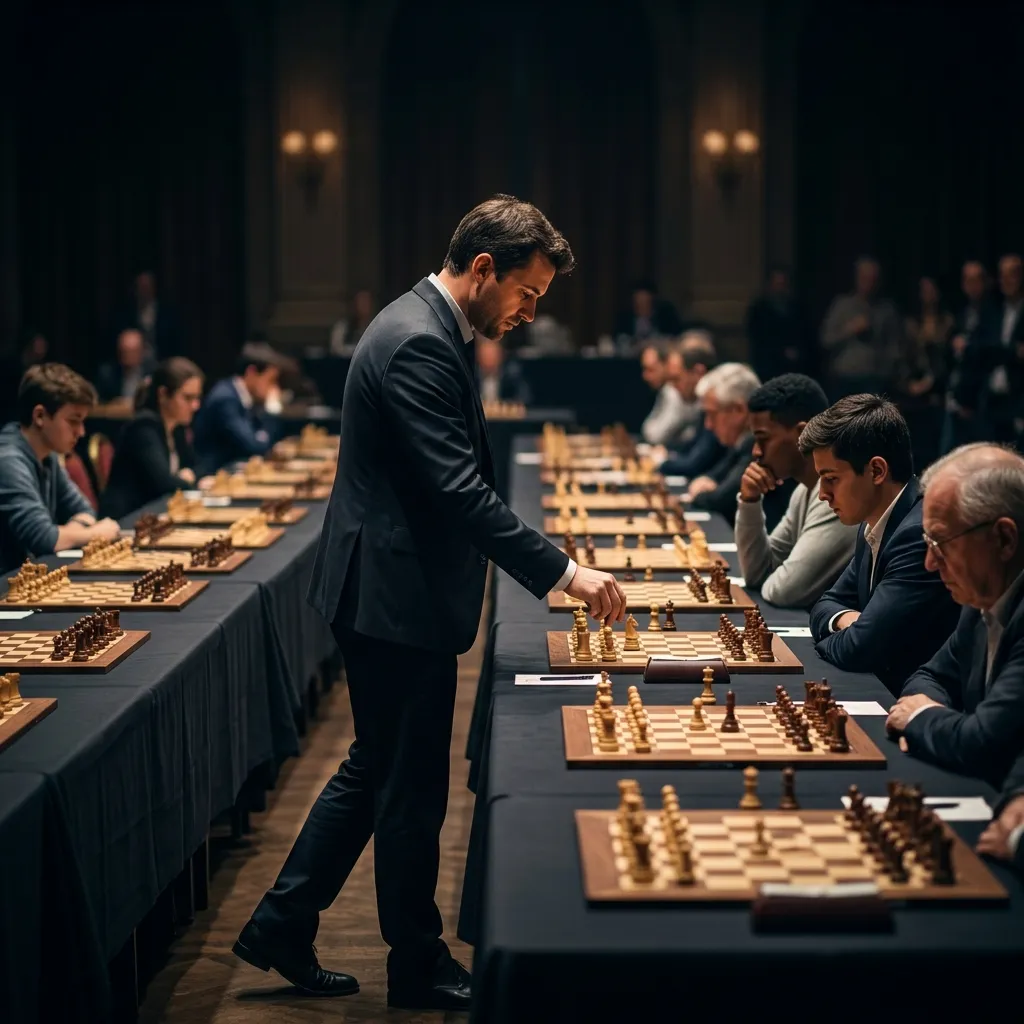
Simultaneous Exhibition
Simultaneous Exhibition
An event in which one player plays against multiple opponents at the same time.
S
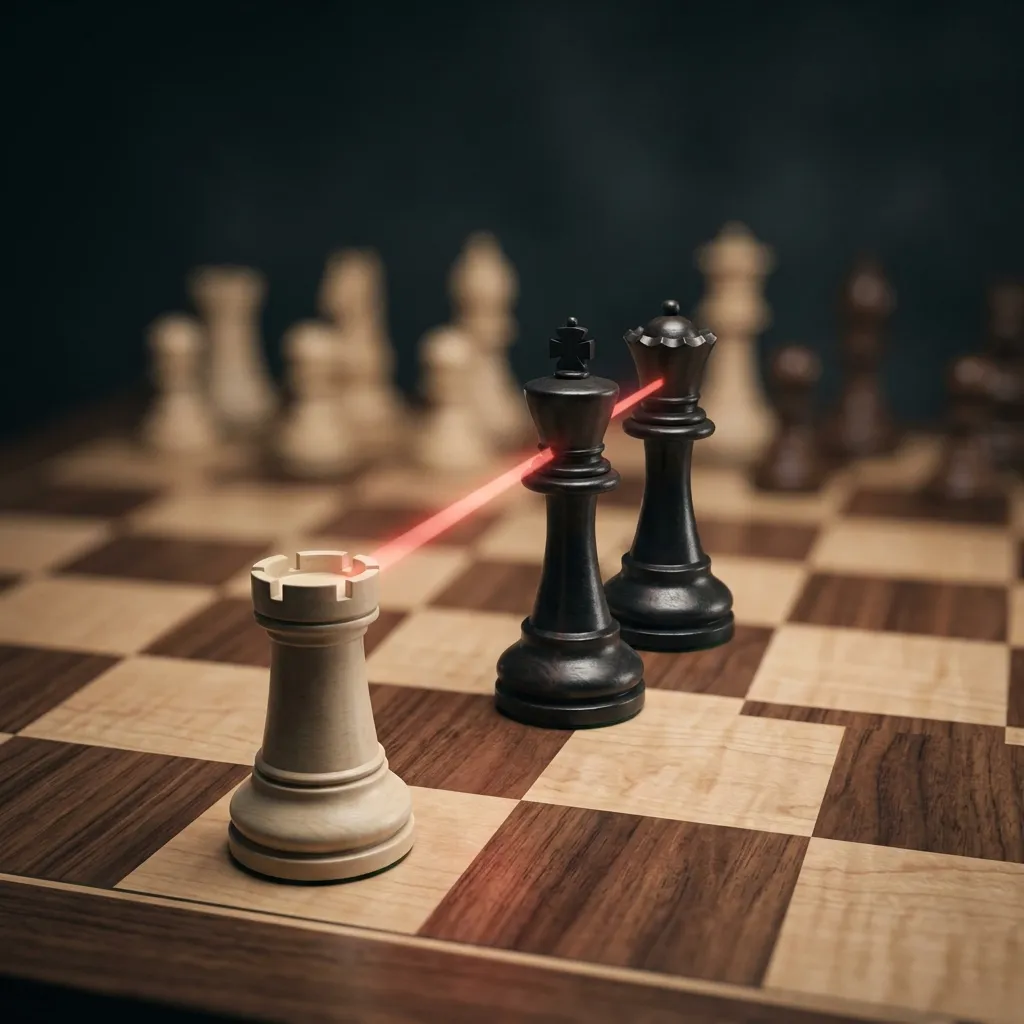
Skewer
Skewer
A tactical motif where a more valuable piece stands in front; when it moves away, the piece behind it remains exposed.

S
Smothered Mate
Smothered Mate
Checkmate by a knight, usually when the king is surrounded by its own pieces.

S
Smothered Mate
Smothered Mate
A checkmate delivered by a knight when the king is trapped by its own pieces and has no square to move to.

S
Sonneborn-Berger
Sonneborn-Berger
A tie-break system, used especially in round robins, weighted according to the scores of your opponents.
S
Space Advantage
Space Advantage
A strategic advantage gained by controlling more usable squares on the chessboard.
S
Stalemate
Stalemate
A drawn position in which the side to move has no legal move, while its king is not in check.
S
Stalemate Motif
Stalemate Motif
The idea of using having no legal moves in a seemingly lost position as a tactical saving resource.

S
Structural Concession
Structural Concession
The decision to accept a lasting weakness in the pawn structure for a short-term aim.
S
Swiss System
Swiss System
A non-elimination tournament format in which players with similar scores are re-paired each round.

T
Technical Win
Technical Win
A win achieved through correctly applied basic principles rather than flashy tactical play.

T
Tempo
Tempo
The time value of a move and its effect on initiative. It describes gaining or losing moves that let you act before your opponent.

T
Temporary Advantage
Temporary Advantage
A type of advantage that lasts for only a limited number of moves and disappears if not used quickly.

T
Temporary Sacrifice
Temporary Sacrifice
Giving up material briefly in order to win it back later under more favorable conditions.

T
Thematic Sacrifice
Thematic Sacrifice
A recurring strategic sacrifice motif in specific openings or pawn structures.
T
Threefold Repetition
Threefold Repetition
The right to claim a draw arises when the same position occurs three times with the same player to move.

T
Tiebreak
Tiebreak
A set of auxiliary criteria used to rank players who finish on equal points.
T
Time Advantage
Time Advantage
A move advantage gained through faster development or more effective tempi than the opponent.
T
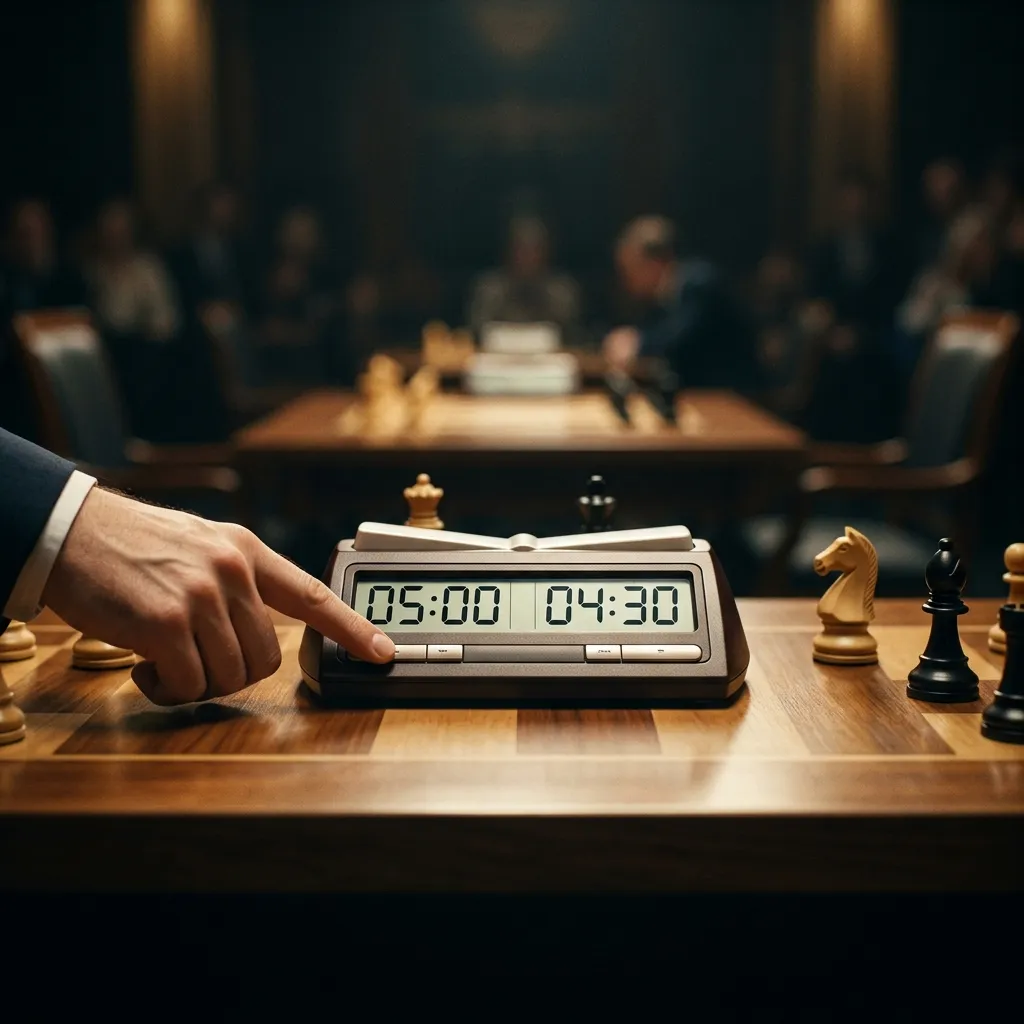
Time Control
Time Control
Oyunculara verilen dusunme süresi ve artis (increment) ayarlari.
T
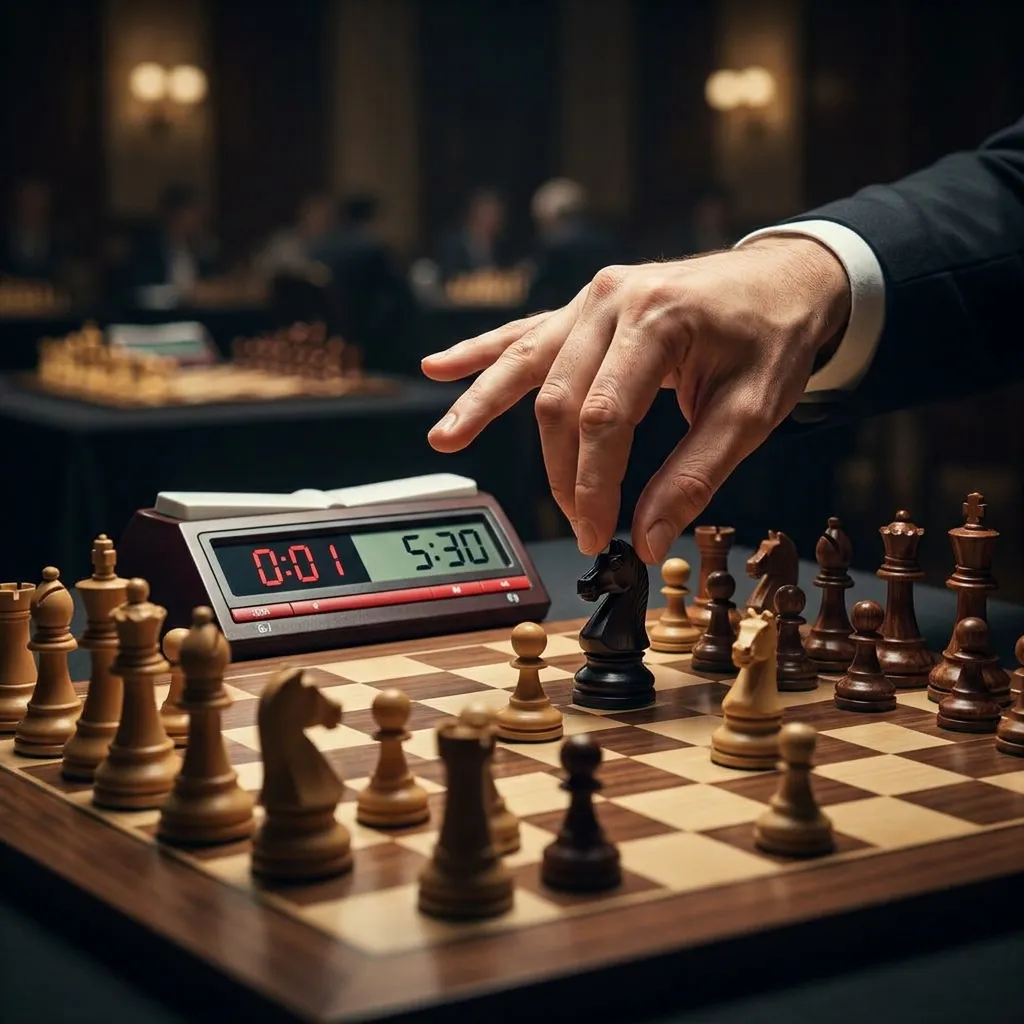
Time Trouble
Time Trouble
A situation where a player's remaining time becomes so low that making sound decisions is difficult.
T
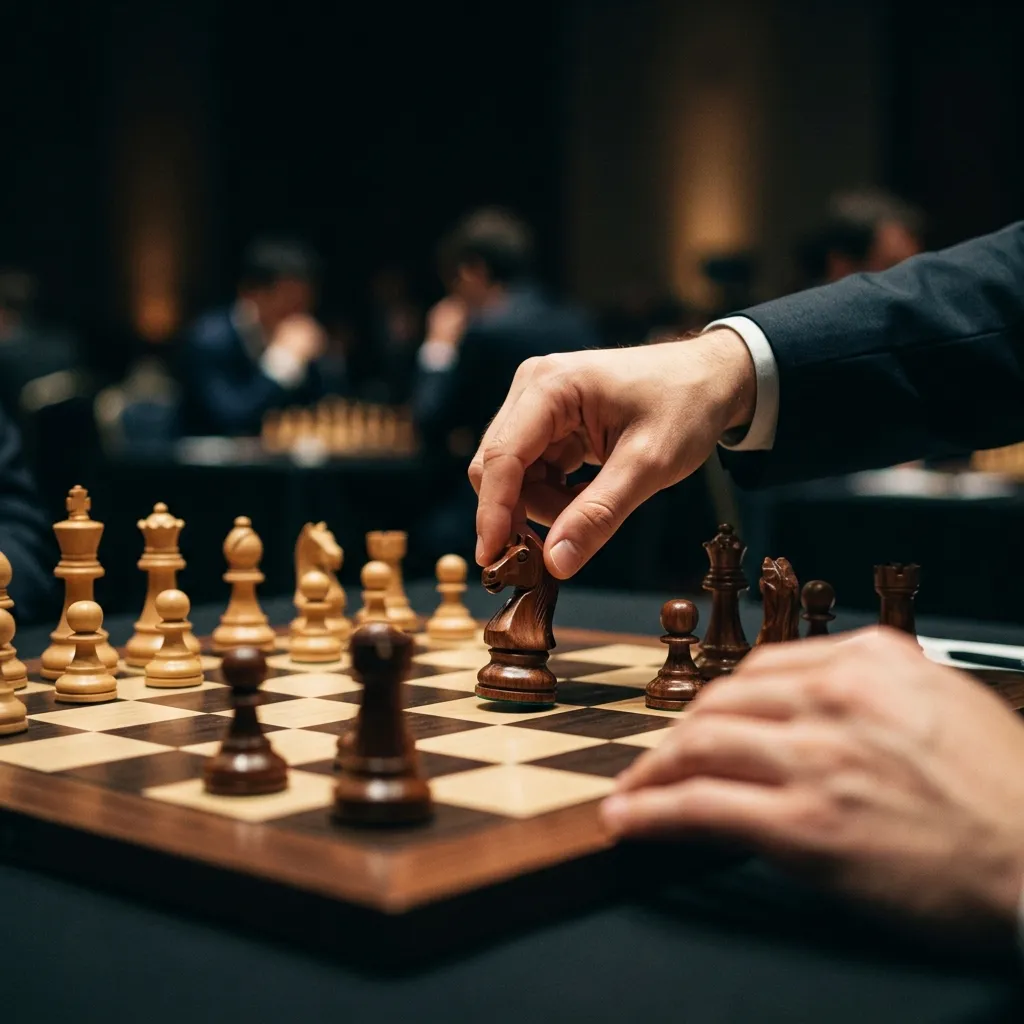
Touch-Move Rule
Touch-Move Rule
A basic competition rule requiring a touched piece to be moved, if legal, unless the player first declares their intention.

T
Transposition
Transposition
Reaching the same or a similar position through a different move order.
T
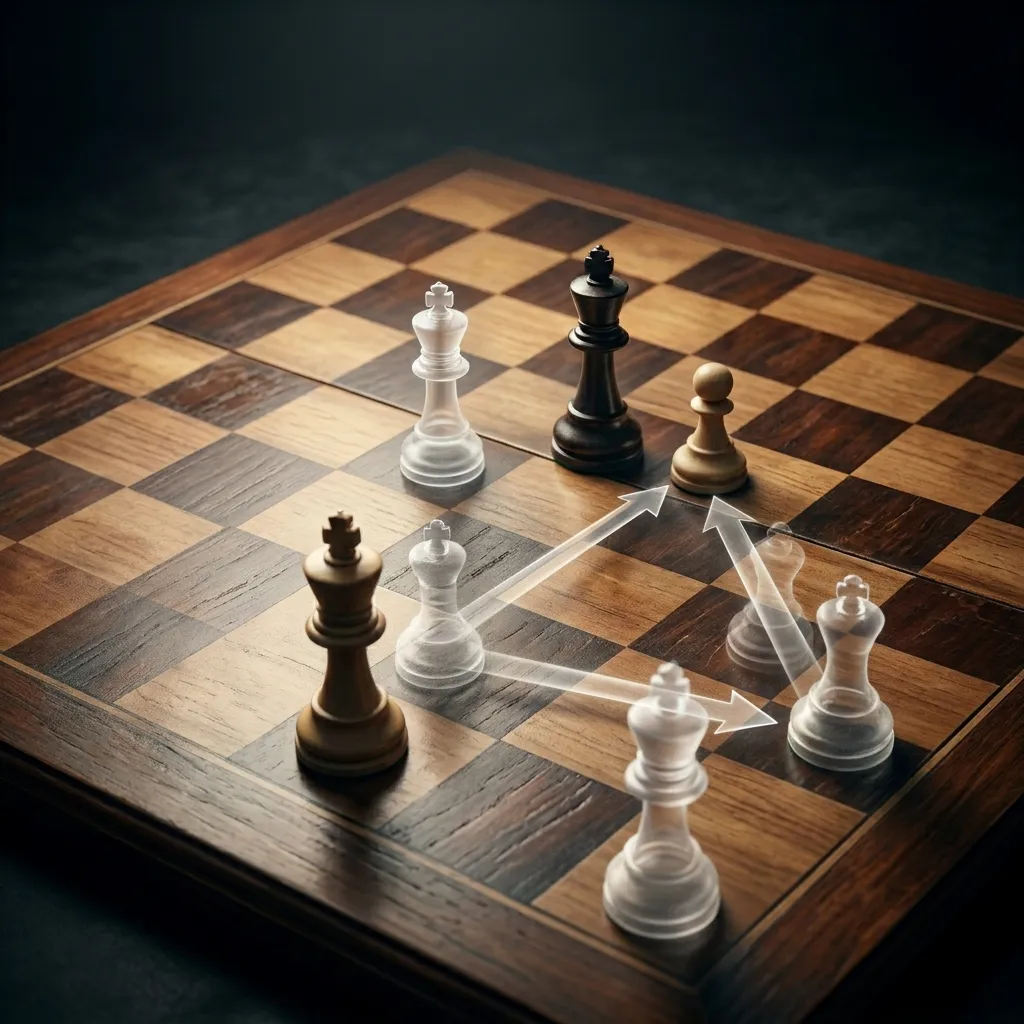
Triangulation
Triangulation
A technique of taking a three-move king route to give the move to the opponent.

U
Underpromotion
Underpromotion
A promotion choice where a pawn is turned into a knight, bishop, or rook instead of a queen to achieve a better result.
W
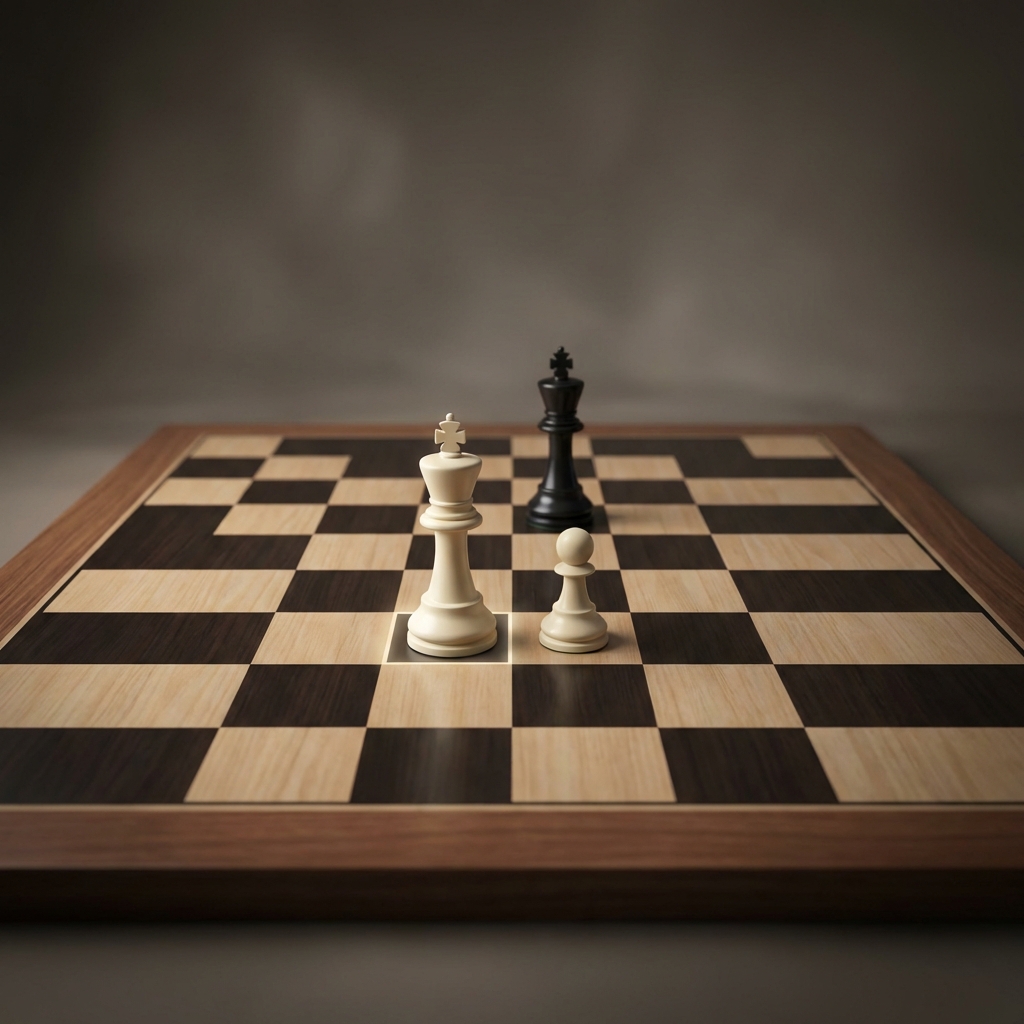
Waiting Move
Waiting Move
A subtle move played to pass the turn to the opponent without disrupting the position's essence.

W
Weak Square
Weak Square
A square that can no longer be defended by pawns and becomes a lasting target for the opponent.
W
Wing Attack
Wing Attack
A plan that builds pawn and piece pressure on the queenside or kingside instead of in the center.

W
World Chess Championship
World Chess Championship
Matches played for the most prestigious title in the chess world.

W
Wrong Bishop
Wrong Bishop
In rook pawn endings, the bishop may fail to control the promotion square because it is on the wrong color.

X
X-Ray Attack
X-Ray Attack
The idea of exerting indirect pressure on a target behind another piece along the same line.

Z
Zugzwang
Zugzwang
A critical endgame situation where the obligation to move makes the position worse.

Z
Zwischenzug
Zwischenzug
The idea of inserting a stronger move before following the expected sequence.